
Some of the most captivating adventures await you when you venture off the beaten track, and such is the case with an Oaxaca road trip from Mil Islas to Oaxaca de Juarez. It is a journey that takes you far away from tourist hotspots and allows you to dive deeper into the essence of a state teeming with vibrant culture and alluring natural beauty.
Over the course of a few days, this road trip allows you to explore the lake landscape of Mil Islas while experiencing the Mazatec culture, before taking you to the magical town of Capulalpam de Méndez after several stops along the way. Most commonly known for its traditional Indigenous medicine, this town in the Sierra Juarez is the perfect place to unwind, but also offers a vast range of outdoor adventures.
A road trip from Mil Islas to Oaxaca de Juarez is a journey that blends man-made lake landscapes, which have turned into a haven for migratory birds, mountain vistas, and rich cultural diversity that will deepen your understanding of Oaxaca’s facetted identity. It is an adventure that invites you to slow down and connect with the land, its people, and the stories that have shaped this part of Mexico.

I road tripped through Oaxaca during a press trip before attending ATMEX Oaxaca. Therefore, this article was written in partnership with Siente Oaxaca and the Secretaría de Turismo del Estado de Oaxaca. As always, all opinions expressed are my own and reflect my experience.
This post may contain affiliate links(*), which means I may receive a commission, at no extra cost to you if you make a purchase through a link. Please see the full disclosure for further information.
Oaxaca Road Trip Overview
Have you already read this Oaxaca road trip itinerary and want to book your trip now? Then this overview is exactly what you need!
Find the best rental car prices for your road trip here.
- Arrival Day
- Where to stay: Hotel Mesón de la Chinantla, Tuxtepec (3 – 4 nights)
- Day 1 & 2: Tuxtepec & Mil Islas
- Day 1: Mil Islas Outdoor Adventures
- Day 2: Bird Watching & Mazatec Culture
- Day 3: San Mateo Yetla — Rivers, Waterfalls & Scenic Views
- Where to stay: Cabañas Xhendaa, Capulalpam (2 nights)
- Day 4 & 5: Capulalpam
- Day 4: The Nature & Culture of a Magic Town
- Day 5: Traditional Medicine & Crafts
- Where to stay: Sauvé Casa Boutique, Oaxaca de Juarez
Make the planning process easier by having Siente Oaxaca arrange the activities for you!
Oaxaca Road Trip
This road trip itinerary is an adjusted version of my own road trip from Mil Islas to Oaxaca de Juarez, and is ideal for travelers looking to explore spectacular landscapes while gaining a deeper understanding of some of Oaxaca’s Indigenous cultures.
It is a journey that takes you off the beaten path and enriches your understanding and appreciation of the threads forming Oaxaca’s vibrant and diverse tapestry.
With its slower pace, this itinerary gives you more time to experience the state’s often-overlooked regions and allows you to do a wide range of activities ranging from hiking to a traditional temazcal ceremony and gastronomy experiences. It also emphasizes community-based tourism, ensuring that both you and the local communities benefit from your Oaxaca road trip.

Day 0 – Arrival Day
Mil Islas, the starting point of this Oaxaca road trip, is located in the Papaloapan region at the border of Oaxaca and Veracruz. As such, it is in a rather remote corner of the state and it takes a while to get there even if you fly into the nearest airport.
Due to this, it is best to consider the day you arrive a travel day that is all about getting to the area and getting some rest before it is time to start your road trip from Mil Islas to Oaxaca de Juarez.
Given that there are no hotels in Mil Islas, you will want to stay in the nearby city of San Juan Bautista ‘Tuxtepec’.
How to get to Tuxtepec
Unless you are including this Oaxaca road trip in a longer Mexico road trip, the best way to get to Tuxtepec and the nearby Mil Islas is to fly into Veracruz International Airport (VER). The airport has nine direct flight connections within Mexico, with Mexico City (MEX & NLU) being the main hub. There are also budget airline flights from Cancun, Mérida, Villahermosa, Minatitlán, Tijuana, Guadalajara, Monterrey and Reynosa.
Additionally, there are also two direct connections from the US. American Airlines flies to Veracruz from Dallas, while United offers a flight from Houston.
If you have a layover and are flying with one of the major airline alliances, your layover location will be as follows: Oneworld layovers are in Dallas, while Star Alliance layovers are in Houston. Meanwhile, Skyteam layover are in Mexico City.
Should you arrive early in the day, it is well worth it to explore the city of Veracruz before heading to Tuxtepec. According to Google Maps, it is a 2:30 h long drive, but based on my experience, upwards of 3 hours is more realistic.
While you could take a bus from Veracruz to Tuxtepec, public transport is not a viable option for the rest of the trip. Therefore, you will have to rent a car or organize private transportation. Hereby, it is best to rent the car in Veracruz and to return it in Oaxaca de Juarez. As you will return it elsewhere, you will have to use the bigger rental car companies. If you want to arrange private transportation, you will want to do so with ‘Siente Oaxaca’.
Where to Stay in Tuxtepec
Despite its size, San Juan Bautista Tuxtepec only has a limited number of hotels and accommodations. And while they are are all nice, Hotel Mesón de la Chinantla is the best place to stay in Tuxtepec.

The 4 star hotel has a modern design that incorporates regional touches, which offers you a first glimpse of the regional art and crafts.
There is a restaurant on site, and the breakfast served there in the mornings is delicious. As such, I cannot attest to the fact that it is worth it to get up early even if you were to arrive in the middle of the night.
The hotel also has a pool area with sun beds and a gym, so you can relax in the pool on your arrival day.
If you arrive from overseas, you might want an additional rest day in Tuxtepec before starting your road trip. After a very long travel day with three layovers, I was glad to be able to relax for a day, so I could fully enjoy exploring Mil Islas instead of still being tired and jet lagged from the long journey.
Day 1 – Mil Islas Outdoor Adventures
Your first day of adventures in Oaxaca begins early in the morning with a car ride to Mil Islas. Part of the route takes you through the state of Veracruz and the driving time varies depending on the time of the day.
Given its remoteness, Mil Islas is one of the most underrated places in the state and surprises visitors with its man-made natural beauty and vibrant culture. It is named after the thousands of islands that can now be found in Lake Miguel Alemán.
Prior to 1954, these islands were hilltops, but after the construction of the Miguel Alemán Dam, nearly 48,000 hectares were flooded and hills turned into islands. The northwestern shore of the lake and the islands are a nature reserve.
The construction of the dam put an end to devastating floods in the region and helps generate electricity for southeastern Mexico, but it also displaced 22,000 Indigenous people. Many of them relocated to Temascal (Nuevo Soyaltepec).
Located right at the lake, Kongui Parque Ecoturistico in Temascal (Nuevo Soyaltepec) is the ideal gateway to exploring Mil Islas. Opened in 2023, the ecotourism park offers a restaurant, a pool, and excursions around Mil Islas.
We decided to eat breakfast at Kongui Parque, and I highly recommend doing so. After all, the tamales de pollo, empanadas de queso and café de olla were delicious.

1.1 – Isla Soyaltepec Hike
The best way to start exploring the lake is to take in the scenic view from an elevated position. As such, a hike up Isla Soyaltepec is the ideal first activity. Get a boat ride to the island and then hike up along the Camino Independencia.
This trail takes you past houses and pastures, so you get a brief impression of what life on the island is like. At times, the uphill path is uneven and you have to walk around bigger boulders, which makes it even more impressive that locals traverse it daily. Chances are, you will even see them leading up donkeys transporting heavier items.


Once you reach the village of Old Soyaltepec located on top of island, you can see local artisans displaying their beautifully embroidered traditional textiles on their porches. These textiles are a reflection of the local rich cultural heritage, and I highly recommend bringing some money so you can buy something.
The town was founded in 1500, and its historic, nearly 500 years old church San Miguel de Arcángelhas weathered the hands of time. If you climb its bell tower, you can get a closer look at the historic bells while also taking in the stunning view of the ‘Thousand Islands’. Be sure to keep your eyes open for the small bats that live inside the bell tower.


If you do not want to climb the bell tower, the viewpoint in front of it also offers a marvelous view of the lake and many of its islands. There is another viewpoint at the other side of the island that is also worth visiting. To reach it, you have to walk across the football field which doubles as a donkey pasture.
If you want to, you can also do the hike after a long boat tour of the lake, but I recommend hiking up the island first so you do not have to do the ascending part of this hike in the midday sun.
1.2 – Mil Islas Boat Tour & Kayaking
After hiking up Isla Soyaltepec, it is time to explore Lake Miguel Aleman itself. Hereby, you can either do an extended boat tour on the way back to Kongui Parque Ecoturistico, or rent a kayak or canoe.


If you want to make the most of your visit, I recommend a combination of the two, as it allows you to to see further away islands where you can see islands used as grazing grounds for local farm animals, while also catching a short first glimpse of the birdlife. Then, upon returning to Kongui Parque, you can rent a kayak and have some fun kayaking on one of the largest lakes in Mexico.
1.3 – Themed Dinner

A ‘Guelaguetza’-themed dinner is the ideal way to end your first day in Mil Islas as it combines delicious local food with local dances. Getting to see the local traditional dance ‘Flor de Piña’ performed is incredibly special, as it is usually only performed for special celebrations and during the annual Guelaguetza celebration in July.
While at Mil Islas, we also got to see a performance of an old people’s dance called Tocho’o. Both performances were captivating and brought the day to a festive crescendo as the sun was setting.
Day 2 – Bird Watching & Mazatec Culture
While the first day in Mil Islas already showed you some of the area’s stunning natural beauty and vibrant culture, the second day of your Oaxaca road trip allows you to dive even deeper into all Mil Islas has to offer. You get to take a closer look at the birds that have made the lake their habitat and immerse yourself in more aspects of the Mazatec culture.
2.1 – Bird Watching
Over the course of the past decades, Lake Miguel Aleman has turned into a haven for migratory and water birds. As such, there are also boat tours dedicated to bird watching which can be accompanied by a birding guide. It is possible to book a general birding tour or book tours dedicated to looking for specific birds.
In total, 286 bird species have been observed on and around the man-made lake. You can find a full overview here.
As someone who loves to go bird watching while traveling, it was one of my favorite activities of the entire Oaxaca road trip. While I loved spotting many different birds, my favorite part of the tour was the small island of Isla Pelicanó. It is where one can see a seemingly endless number of pelicans, herons, and cormorants. As such, it is the ideal location to take photos of them.


2.2 – Mazatec Cuisine Experience
With its diverse flavors, traditions, and ingredients, Mexican cuisine has been recognized as an Intangible Cultural Heritage by UNESCO. It is a cuisine heavily influenced by Mexico’s ancient civilizations who first cultivated maize, beans and chilis. As such, it is fascinating to learn more about traditional cooking techniques and food like those of the Mazatec communities around Mil Islas.
So spend your afternoon with a cooking class during which you learn how to make corn and cassava tortillas and other dishes in the manner typical for the local artisanal cuisine.


Alternatively, you can also opt for a gastronomic tasting during which you can enjoy dishes like tamales Oaxaqueños (with chicken and mole), pilte (steam-cooked fish or chicken with vegetables and herbs wrapped in banana leaves), and tesmole (soup). Hereby, the fish dishes are prepared with mojarra fish caught in Lake Miguel Aleman.
Like other Oaxacan cuisines, the Mazatec cuisine of Oaxaca and Veracruz is centered around corn (maize), beans and chillies, but also adds squash, so you are in for a real treat. It is a fantastic gastronomic experience for foodies looking to experience Mil Islas with all of their senses.
2.3 – Mazatec Ceremonies
Participating in a Mazatec ceremony is the ideal way to round out your experiences in Mil Islas. After all, these ceremonies provide you with a deeper understanding of local ancient traditions, while also offering you the chance to reflect on how your experiences in Mil Islas impacted you.
At Kongui Parque Ecoturistico, you can choose between a cacao ceremony, pre-Hispanic cleansing rituals and a temazcal.
I got to participate in a traditional cacao ceremony that was also attended by locals, and it was a wonderful experience. The ceremony consisted of setting up the space, intention setting, chanting, music, dancing, and the consumption of ceremonial grade cacao.
It is a ceremony of emotional healing, spiritual growth, and connecting with yourself and others by opening your heart.

Day 3 – Rivers, Waterfalls & Scenic Views
While you will spend a large part of day 3 driving on winding roads, the scenic drive offers two great stops. At both, you can choose between several activities that allow you to see more of the stunning nature of this part of Oaxaca. And if you love bird watching, you might even be tempted to spend a full day at the first stop.
3.1 – San Mateo Yetla
The first stop is the San Mateo Yetla Ecotourism Center in a Chinantec community in Valle Nacional. Located right at the riverbank of the Valle Nacional river, it feels like a lush paradise that invites you to relax, enjoy the serenity and take in the natural beauty around you.
The center offers a range of activities including hiking, bird watching, and kayaking. There are all kinds of trails near the river and in the nearby mountains. If you are interested in bird watching, you should ask for a guided hike with local guide Francisco. Among others, you can spot birds like the chestnut-headed oropendola. You can find recent reports of spotted birds here.
Travelers looking for a more relaxed stop can simply enjoy this beautiful place while drinking café de olla and eating pastries like pan tradicional. Of course, the restaurant on site also offers local traditional cuisine.


Should you wish to spend more time here, you can stay in one of the four cabins on site and will have plenty of time to relax in the spring-fed pool.
Aside from being known for its natural beauty, Valle Nacional is also known as the location of a dark chapter of Mexico’s history. During the Porfiriato years from 1876 – 1911, it was a place of forced labor at tobacco plantations under gruesome conditions. There are ongoing efforts to turn one of the former ex-haciendas into a place where one can learn more about this chapter of history. Therefore, you will eventually be able to have an even more immersive experience of the duality of the area.
3.2 – Mirador Cerro Peron
After driving along federal highway 175 for around 1:20 h, you will reach Mirador Cerro Pelón. Located at an altitude of nearly 3000 meters (9849 ft) above the sea level, it is at the highest point of the Juarez Mountain Range, and therefore offers a panoramic view of the mountains and seemingly endless cloud forest.
Depending on how much time you have, you can either simply have a short break to grab some snacks or food at the ‘El Mirador’ restaurant and snack shop while also visiting the lookout, or go hiking.

Hereby, the most popular option is a hike to a nearby waterfall. Located around 1 km away from the viewpoint, Cascada de Niebla de Comaltepec is a 50 m high waterfall. It is mandatory to be accompanied by a local guide if you want to hike there, but thankfully, you can easily ask for a guide at the viewpoint shop.
There is also a hike to the peak of Cerro Pelón at on altitude of 3200 meters (10498 ft).
Where to Stay: Capulalpam
At the end of day 3 of your Oaxaca road trip, the town of Capulalpam de Méndez is the ideal place to stay. It allows you to wake up in the place you will be exploring, so you can start your day at a tranquil pace by watching the sun rise over the mountains.
While there are several accommodations in Capulalpam, I recommend staying at Cabañas Xhendaa. The rustic and traditional cabins with rooms of varying sizes are a peaceful retreat that offers stunning mountain vistas. With a mix of wood, stone and tiles, every design element of the cabins enhances the immersion in nature, and therefore deepens your experience in Capulalpam.
If you like traditional Oaxacan food, you will also love the delicious breakfast prepared on site.

Day 4 – The Nature & Culture of a Magic Town
After waking up to a beautiful view, you will spend day 4 of your Oaxaca road trip immersing yourself in the nature of Capulalpam and seeing what adventures the town has to offer. And then, in the evening, you will discover another pattern of Oaxaca’s tapestry by learning more about how the local Zapotec community relates to the natural beauty you have been fortunate enough to experience.
4.1 – Explore the Pueblo Magico
Before you start exploring the surroundings of Capulalpam, it is a good idea to get to know the town itself. As such, walking around the town is the ideal early morning activity.
Take in the colorful houses and mountain vistas as you stroll through the streets, before heading to Parroquia de San Mateo. The 16th century church was built by missionaries, and its interior features 17th century wooden paneling and intricate altar pieces in varying styles of Mexican Baroque. Some of them were created by local artists in the 18th and 19th century, while others were brought there from the Sierra Norte. Therefore, the historic church is a place that is not to be missed when exploring Capulalpam.


4.2 – Experience Capulalpam’s Nature
While in Capulalpam, you can choose between a wide range of experiences in nature ranging from soothing walks through the forests to thrilling activities like rappelling. Thanks to this, the town offers an ideal activity for every type of traveler looking for adventures in nature.
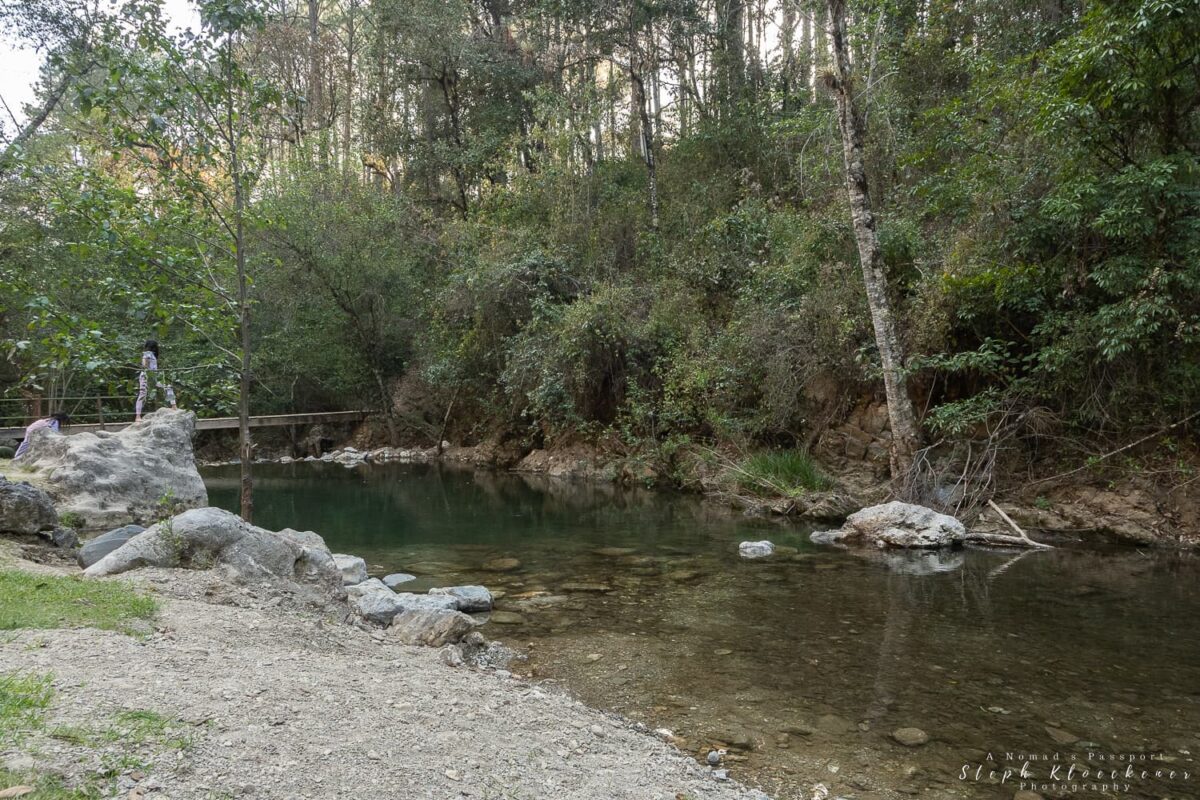
If you want to hike, the 8 km hike along the Old Canal, that was once the town’s main water source, is a popular option. Alternatively, you can also hike to some of the viewpoints offering great views of the Sierra Juarez and Capulalpam. I particularly liked the view from Mirador La Cruz.
Should you be looking for a more grounding, sensory experience, a walk along the Barefoot Path is ideal for you.
Meanwhile, thrill seekers should head to Recreation Center Los Molinos located just 10 minutes from the town center. It is the starting point of caving tours in Cueva del Arroyo, and also offers activities like rappelling. Afterward, refuel at the on-site restaurant, where traditional Oaxacan dishes like amarillo de pollo make for the perfect late lunch.
4.3 – Secretos del Monte Night Walk
Just before the sun sets, it is time to head to ‘Juguete Arte Capulalpam’ wood workshop where the first part of a special activity awaits you. Upon arrival, you will learn about the inspiration behind the woodcrafts, before you have a few minutes to browse the gallery store where you can buy wooden figures depicting local animals as well as the people living in the area.
Then, it is time for you to craft a protective amulet for your nighttime activity: a walk through the forests during which you get to visit important Zapotec sites like Los Sabinos, hear local legends, and learn about the spiritual bond with protective animals known as ‘tonas’.
As you walk through the dark forest, you can truly take in the sounds and scents of nature around you. It is an experience that invites you to take in your surroundings with all your senses and open your mind to the essence of the forest.

Near the end of the walk, you stop at Mirador La Cruz before tackling one final challenge on the way to a place in the middle of the forest where a bonfire and dinner await you.
The Secretos del Monte Night Walk perfectly illuminates the Zapotec cultural significance of nature and serves as a meaningful introduction to another one of Oaxaca’s Indigenous communities. It is a walk that leaves you with a deep sense of cultural appreciation and hopefully a closer connection to nature.
Day 5 – Traditional Medicine & Crafts
The last day of your road trip through Oaxaca lets you explore new facets of the local nature and traditions, before you continue on to Oaxaca de Juárez. Along the way, you can make two stops that are quite different but both show you more of Oaxaca’s diversity.
5.1 – White-Tailed Deer Conservation Center
Begin your final day of your Oaxaca road trip by heading to the Environmental Management Unit, a traditional reserve to conserve local white tailed deer. Inside the reserve, the deer live protected from local predators and are fed twice a day. Book a tour to visit the center during those times (7 AM – 8 AM, and 3 PM – 4 PM), and you can help feed them while learning more about local conservation efforts.
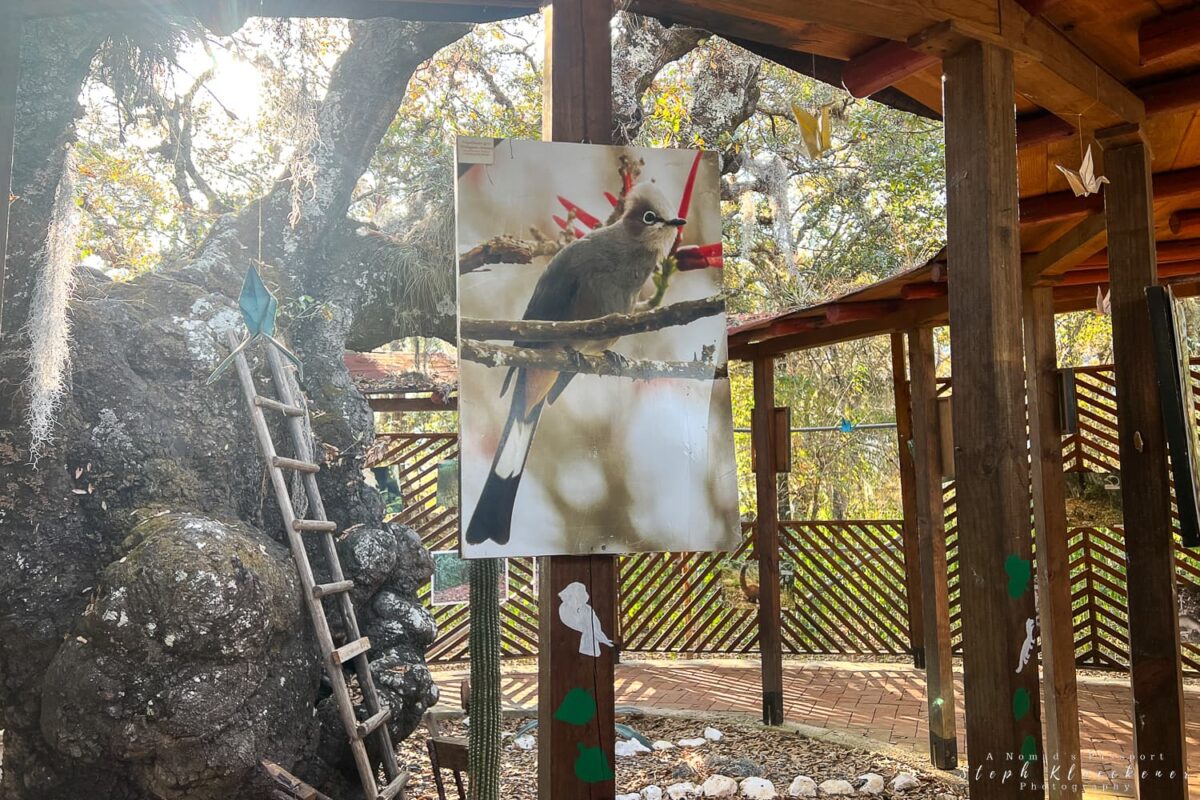
As soon as you arrive, you will see deer emerge from the forests, which makes it a special opportunity to get a better look at these usually timid animals. Keep in mind that the deer are wild animals and that it is up to them to decide how close they will get to you.
There is also a biodiversity museum and gallery on site, where you can learn more about the local flora and fauna.
5.2 – Traditional Indigenous Medicine Treatment
No visit to Capulalpam is complete without experiencing what the pueblo magico is most commonly known for, so visiting one of the centers for traditional Indigenous medicine treatments is the ideal way to end your time in Capulalpam.
The traditional Indigenous healing practices offered there include pre-Hispanic cleanses and natural remedies based on ancient knowledge, but also massages.
Our center of choice was ‘Manos que Curan’, where we did a temazcal ceremony followed by getting a traditional massage. My back felt years younger by the time it was over, so I highly recommend it. The center is the perfect stop to ensure you feel refreshed and relaxed when your trip ends.
5.3 – Mirador de Cristal
The Mirador de Cristal is the second highest glass observation deck in Latin America, and makes for a perfect stop on the way from Capulalpam de Méndez to Oaxaca de Juarez.
At 200 meters above the ground, the transparent glass floor platform offers a stunning view of the city of Ixtlan and the mountainous surroundings.
However, walking on it is certainly only recommended if you do not have a fear of heights. Especially, as the platform gently sways with the wind, which makes the entire experience feel even more adventurous. The access fee is 100 MXN.

5.4 – Food & Crafts in Las Animas
Just under an hour before you reach Oaxaca de Juarez, it is time for a final stop along the way. Las Animas is a small village where only 22 families live, but it is the place where nearly all handmade molinillos sold in Oaxaca and all of Mexico are produced. These traditional wooden whisks are the tool used to prepare many of Oaxaca’s traditional drinks like atole and hot chocolate, which makes it a staple found in every Oaxacan kitchen.

The way molinillos are made is truly fascinating, and you can watch the process when you visit ‘La Herencia Del Abuelo Arte En Madre’. The master woodworker who owns the workshop crafts 500 molinillos per week, and you will leave amazed by how fast he carves the tool and colors it through wood burning.
There is a small gallery selling his woodworks, and if you want a true Oaxacan souvenir, you should buy a molinillo. I ended up buying one and could not resist also buying a pair of molonillo-shaped earrings.
After witnessing how the whisks are made, you will have the chance to see how they are used at the nearby ‘Paraíso Los Encinos Restaurante’. Order a chocolate de agua, and the frothy drink will be prepared right at your table.
Ideally, you will be there either for a late lunch or early dinner, so I highly recommend eating here before heading to Oaxaca de Juarez. The restaurant focuses on regional cuisine, and the food is delicious. In fact, the Pechuga Rellena I ate was one of my favorite meals in Oaxaca.

Where to Stay: Oaxaca
Your Oaxaca road trip ends in Oaxaca de Juarez, and after a few days full of adventure and culture, you likely want a quiet, relaxing, and charming place to rest. Therefore, I highly recommend booking a stay at Sauvé Casa Boutique. Located right in the historic ‘Centro’, it is within walking distance of the main attractions, while also being the perfect place to unwind at the end of the day.
The rooms of this boutique hotel are modern and you will love starting the days by eating a delicious breakfast in the closed inner courtyard of the hotel.
Should you prefer to stay further away from the city center, Casa de Adobe Gallery & Luxury Boutique in San Felipe del Agua is a wonderful option.
Onwards Journey
Depending on your interests, I recommend spending two to three days in Oaxaca de Juarez itself before exploring the surrounding area. Spread all around the city, you will find a vast array of cultural, historical, and natural sites, and it is only by visiting them that you truly understand the individual threads that weave together in Oaxaca.

The Temple of Santo Domingo de Guzman and the Museum of the Cultures of Oaxaca inside the temple’s old monastery are not too be missed, and are a good place to start exploring the city.
The church itself is intricately decorated, and while visiting the museum, you can marvel at artifacts found at the nearby archeological site of Monte Alban. While in the area, it is also highly recommended to tour the Ethnobotanical Garden.
Other things and places to explore in Oaxaca de Juarez include strolling through the ‘magic neighborhood’ Jalatlaco with its colorful murals, and tasting the rich Oaxacan cuisine with its moles, traditional dishes based on corn, beans and chili, as well as the regional drinks. For a deep dive into the local food culture, I highly recommend this food tour by Where Sidewalks End that focuses on ancestral food.
While the city itself is certainly tempting and has a lot to offer, no visit would be complete without a series of day trips from Oaxaca de Juarez. The area offers a wealth of culture, history, nature and crafts, so there is an ideal day trip regardless of what you want to do.
My favorite day trips include a tour of a palenque in Santiago Matatlán where you can help distill mezcal, visiting the ‘petrified’ waterfalls of Hierve el Agua, exploring the archeological site of Mitla with its unique geometric patterns, learning more about alebrijes at the workshop of artist Manuel Jiménez, and walking through an underground river in San Sebastian de las Grutas.
How to Organize this Road Trip
While I tend to organize and plan my trips, there are times when it is best to involve local companies in the planning process. This Oaxaca road trip is one of those trips. Given the focus on community-based tourism, it is best to have a local company help you organize your stops and activities.
Siente Oaxaca organized everything, including the transportation, for my group, and their support was invaluable. Thanks to their connections and knowledge of this often overlooked area of Oaxaca, everything was organized seamlessly and I could focus on the experience. I found their help particularly crucial, as organizing everything would have required a level of Spanish proficiency I have yet to achieve.
Therefore, I highly recommend having Siente Oaxaca organize your activities in Mil Islas, San Mateo Yetla and Capulalpam even if you plan to rent a car and drive yourself.
And if you decide that it would be more enjoyable not to have a driver for your road trip, they can arrange your transfer. Their drivers and guides speak English, Spanish and some French.

You can easily reach out to Siente Oaxaca by sending them a WhatsApp message at +52 9581101048 / +52 9511618728. Reservations can be made up to 3 days in advance, but I recommend reached out to them earlier.
Oaxaca Travel Tips
If you are planning a road trip from Mil Islas to Oaxaca de Juarez, these trip-specific travel tips will be useful:
You will spend quite a bit of time around local families and Indigenous people, so wear appropriate clothes. Beachwear is not really suitable for this road trip.
Bring suitable hiking shoes. While the hikes are not too long, you will want to wear shoes suitable for uneven terrain. I preferred my ankle-high hiking boots over sneakers.

Pack a hat or cap. You will be spending a lot of time in the sun throughout the trip and will be on a boat while in Mil Islas, so a breathable hat or cap is a must-have.
Having some cash is highly recommended, as you will venture into areas where ATMs are not always easily found. In some places, like on Isla Soyaltepec, you will want to have cash to buy a bottle of cold water or souvenirs.
Get an eSim with good coverage for this area. Based on my experience, AT&T is the best, so get an eSim that uses this network. Telcel coverage was rather limited.
It is good to speak Spanish or download a translation app. Otherwise, you will miss out on a large part of the experience. I have spent months in several Spanish-speaking countries, and I tend to be able to understand most basic conversations (even if I do not understand every single word). And yet, I was baffled by the Oaxacan dialect and struggled to understand even a fraction of what I usually do. You will be fine if you are conversationally fluent, but if not, you might need a translator.
What is the best time to visit Oaxaca?
While the state of Oaxaca can be visited year-round, the best time for a road trip itinerary like this one, which includes hiking and other outdoor activities, is from October to March, as these months tend to be comparatively cool and dry. However, you should avoid late October and early November unless you book your trip well in advance and want to experience the Día de los Muertos celebrations.
The months of April and May are usually too hot for hiking, so it is best to avoid them. Meanwhile, June to September are the rainiest months, rendering them a less popular time to travel through Oaxaca.
Is it worth it to venture off the beaten path in Oaxaca?
The most popular destinations within Oaxaca certainly have a lot to offer, but when you dare to venture off the beaten path, you quickly realize that the state offers even more natural beauty and cultural wealth than you could have imagined. As such, it is well worth it to add lesser-known places to your Oaxaca itinerary.
For me, this Oaxaca road trip was the starting point of an unforgettable adventure that intensified my interest in exploring Mexico, and I knew I would return to Oaxaca long before I even left the state. It is a journey that makes you fall in love with the essence of this formidable state, and leaves you with captivating stories about its land, people, traditions, and experiences that will stay with you for years to come.
More about Mexico
If you are interested in Mexico’s culture, history and nature, you might also be interested in these destinations in Mexico:
Valladolid’s Cenotes
Becan Ruins, Xpujil
Is there anything else you would love to know about this Road trip from Mil Islas to Oaxaca de Juarez?
Ask me in the comments!
Planning an Oaxaca Road Trip?
Save this Article for later!






I cherish reading your writings. Through your words, I wander each place step by step — discovering where to stay, how to arrive, what to explore, and what to taste. You offer not merely a guide, but a living map woven with culture and spirit. Thank you for bringing the Mazatec world, and everything beyond it, so vividly and gracefully to us.