Most international travelers overlook the state of Puebla, and if they do venture there, it tends to be a short excursion. Yet given how fascinating Puebla is, a short stay barely allows travelers to scratch the surface of what Puebla has to offer. With its diverse landscapes, vibrant culture, and rich history, it can easily hold its own alongside the neighboring Oaxaca and is the ideal place for a road trip.
Last October, I spent several weeks traveling through Puebla to see what the state has to offer. While traveling from the colonial city of Puebla to the misty mountains of the Sierra Norte de Puebla, the arid landscape of the Tehuacán-Cuicatlán Biosphere Reserve, and pueblos mágicos, I was amazed by the unexpected wealth of history, culture, and nature I discovered.
As it turned out, the state is a reflection of how diverse Mexico is, making it one of the most interesting places to explore in the country. Puebla is far more than a state that merely connects the popular tourist destinations Mexico City and Oaxaca.
Over the course of 11 days, this Puebla road trip will allow you to experience its unique offerings yourself. And of course, every destination you visit is an opportunity to enjoy the flavorful Pueblan cuisine that has secured the state’s reputation as a foodie hotspot.

This post may contain affiliate links(*), which means I may receive a commission, at no extra cost to you if you make a purchase through a link. Please see the full disclosure for further information.
Overview: 11 Days in the State of Puebla
Have you already read this Puebla road trip itinerary and want to book your trip now?
Find the best rental car prices here.
Day 1 – 5: Puebla de Zaragoza
including days trips to Cholula, Atlixco & Cantona
Where to stay: Quinta Real Puebla (5 nights)
Day 6 – 9: Zacatlán
including a day trip to Chignahuapan
Where to stay: Casa San Miguel Hotel Boutique y Spa (3 nights)
Day 10 – 11: Tehuacán
Where to stay: Gran Hotel Mexico by Solaris (3 nights)
Puebla Road Trip
This road trip itinerary is an adjusted and shortened version of my own trip through the state, and is ideal for travelers looking to experience the diversity of Puebla. Over the course of 11 days, you will explore tourist hubs alongside off the beaten path destinations that few international visitors venture to, allowing you to truly get to know the state.
As you travel through Puebla, you will discover diverse landscapes, learn about the local culture and traditions, and can enjoy delicious Pueblan food along the way.
Thanks to being centered around three locations that serve as the base for a series of day trips, you can maximize your time at the individual destinations and avoid the hassle of constantly changing hotels.
Overall, the pace of the itinerary is a bit faster than other road trip guides of mine. If you prefer a more leisurely pace, I recommend extending your stay in Puebla de Zaragoza and Zacatlán by one night, so you can explore them in a more relaxed manner or see even more of what they have to offer.
Where to Start Your Puebla Road Trip
If you are traveling to Puebla from abroad, you will likely be flying into Mexico City, so you can pick up your rental car right at the airport in CDMX or wait until you are in Puebla. In my opinion, opting for a rental pickup in Mexico City is the more convenient option as you do not have to think about how to get to Puebla de Zaragoza without a car.
However, it is worth comparing the prices for the two pickup locations, as factors such as vehicle availability and your preferred drop-off location can make Puebla the more cost-conscious option. If renting a car in Puebla de Zaragoza works out better for your travel plans, you can also easily get there by bus.
Check the Rental Car Prices in CDMX Compare the Prices for Rentals in PueblaDay 1 – 5: Puebla de Zaragoza
Puebla de Zaragoza is the largest city in the state and a place where the state’s history, art, and gastronomy merge. As such, it makes for the perfect introduction to the state and a natural first stop of your Puebla road trip.
Aside from the vast range of things to do in Puebla, its location also makes it an ideal base for day trips to the surrounding area. From here, you can explore nearby pueblo mágicos, archeological sites, or the volcanoes that forged the identity of this part of the state, all without having to change hotels every day.
Where to stay in Puebla de Zaragoza
There are many great hotels in Puebla, but as you have a car, it is best to book a stay at a hotel with private parking. If you want to stay near the city’s historic center, Quinta Real Puebla is an ideal luxury option for your Puebla road trip. The five-star hotel is located in a restored former 17th-century convent, and combines historic charm with modern amenities.
Gamma Puebla Señorial Centro is another great hotel right in the heart of the city. Located near Calle de Dulces, this 4-star hotel offers modern rooms and delicious food at the on-site restaurant.
Day 1 – Puebla de Zaragoza’s Historic Center
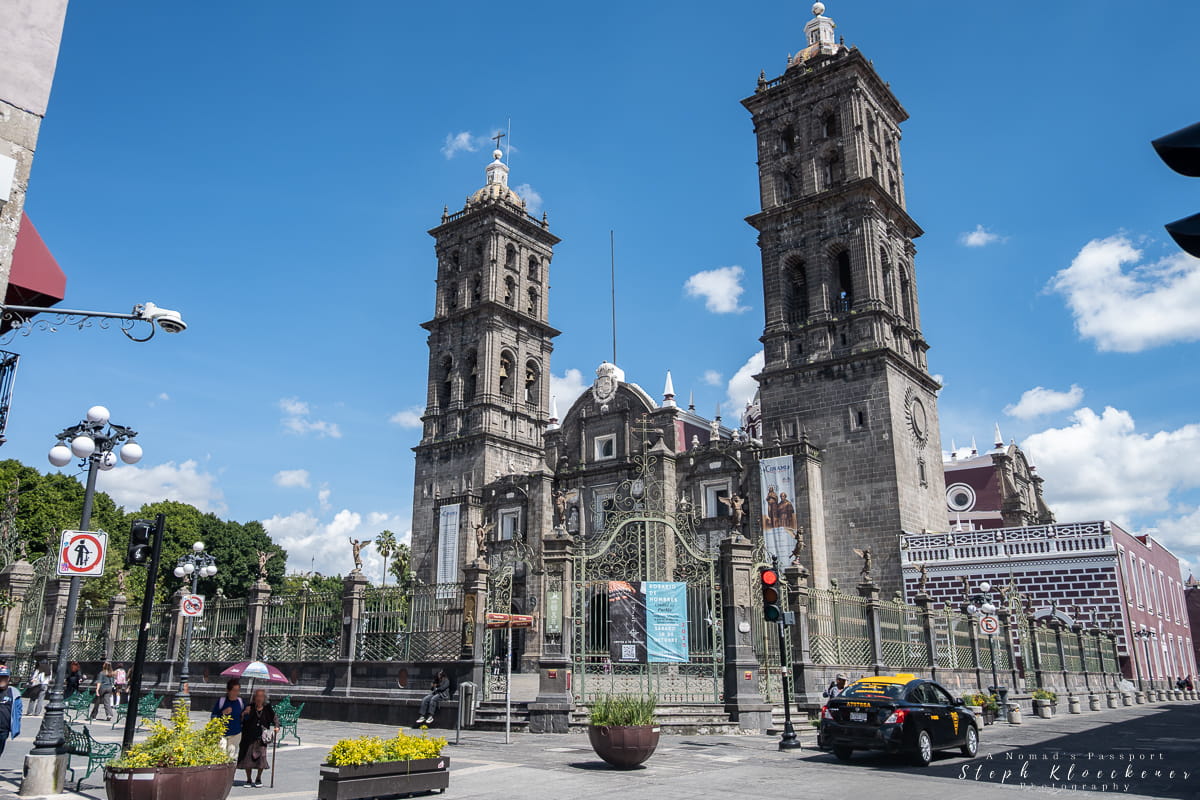
Begin your Puebla road trip by spending the first day exploring Puebla de Zaragoza’s historic center. Hereby, the best place to start is the lively tree-covered Zócalo with its historic fountain. The Cathedral is located on the southern side of the plaza, and you will want to head inside to marvel at the richly decorated interior that is so typical for Pueblan churches constructed during colonial times.
The nearby Biblioteca Palafoxiana, the oldest public library in the Americas, should be your next stop. The books lining the library’s three levels of shelves are of exceptional universal value and the oldest books in the collection date back to the 15th century.
There is an accompanying exhibition, where you can learn more about the books and the library itself, and it is a great place to visit even if you are not a library lover.
Eat lunch at La Casa del Mendrugo, before checking out the Callejon de los Sapos (Alley of the Toads). On weekends and sometimes also during the week, the alley transforms into a lively artisanal and antique market. If there is no market, you should still head here, to try the city’s signature drink the ‘Pasita’ at La Pasita 1.

Then, make your way to El Parián Artisanal Market, where vendors sell authentic crafts and souvenirs including the Talavera tiles that Puebla de Zaragoza is famous for. If you love galleries, you will want to head to the Barrio del Artista just beyond the market next.
Alternatively, your next stop will be the candy stores lining Calle del Dulces. While there are many stores selling traditional Pueblan sweets, the two most popular ones are Dulcería La Gran Fama and El Convento de Santa Clara. I recommend stocking up on sweets for the rest of your road trip through Puebla.
The Regional Museum of the Mexican Revolution is also on this street, and I can only encourage you to visit it. The events that sparked the Mexican Revolution in 1910 occurred in the house the museum is located in, offering you a dual experience as you take in the exhibition.
Once you reach the end of the street, you will find Templo de Santo Domingo. Be sure to enter it so you can see the opulent Capilla del Rosario with its 24-karat gold leaf covered interior.
Afterward, return to the Zócalo to do some people watching before ending the first day of your Puebla road trip with a delicious meal in the rooftop restaurant Hook Black. The view from the terrace is stunning, and the cocktail selection is great.
Day 2 – Puebla & Cholula
Enjoy a long breakfast before making your way to Uriarte Talavera just outside of the historic center. It is one of the oldest Talavera workshops in the city, and is the best place to learn more about the colorful tiles that adorn so many buildings in the region. All guided tours begin in the exhibition section so you can see art pieces beyond the tiles. Then, your guide will take you through the workshop where you will see artists working on the individual production steps from forming the pottery pieces to painting them.
Once the tour concludes, start the short drive to Cholula. The pueblo mágico is home to the largest pyramid in the world by volume, and beyond that, has three churches whose interior, facade, or placement will tell you a lot about the local history.
Upon arrival in Cholula, you will first want to visit the archeological site and the accompanying museum. Ideally, you will want to head to the small museum first, as seeing the model of the pyramid exhibited there will make it easier to understand the excavated areas. At the time of writing, the tunnels dug into the pyramid are not open to the public, but as things can change quickly, I recommend inquiring about access when buying your ticket.
For lunch, you should head to San Pedrito. The rooftop area of this restaurant offers a great view of the pyramid, and the food here is fabulous. Be sure to specifically request a table on the rooftop.
Afterward, climb the dirt-covered Great Pyramid to get a stunning view of the surrounding area and to have a quick look at the colonial church Santuario de la Virgen de los Remedios. As was usually the case, the Spaniards constructed it to replace an Indigenous temple.

Parque Soria at the foot of the pyramid should be your next stop. Vendors sell all kinds of local snacks in the market section, and if you want to try chapulines (toasted grasshoppers), this is where to buy them. From there, you can easily walk to several other attractions in town including Convento de San Gabriel Arcángel, Plaza de la Concordia, and the Regional Museum of Cholula.
To see two rather interesting churches, you have to leave the center of Cholula. First, you should drive toTemplo de Santa María Tonantzintla, a church whose interior is adorned with Mexican iconography. It is a prime example of Indigenous Baroque, and as you look at all the fine details, you can see that traditional beliefs persisted the colonizer’s attempts to fully subdue and replace them with Christianity.
The nearby Templo de San Francisco Acatepec with its beautifully Talavera tile-decorated exterior makes for the ideal final stop before you return to the city for dinner.
Day 3 – Atlixco Day Trip
Day 3 of your Puebla road trip has you head to Atlixco, another pueblo mágico that is known as Mexico’s flower town. It is located 35-minutes drive away from the city, and you will want to stop at Mirador Atlixcayotl for a great view of the nearby volcanoes.
Ideally, you will want to head there early in the morning so you can park in the historic center and start your day with a relaxed breakfast at Vittorio’s Restaurant right at the Zócalo. As you eat, you can people watch and will slowly see the main plaza come to life. Afterward, stroll around the Zócalo with its flower displays and topiaries.

Next, check out the murals in the Palacio Municipal and Parroquia de Santa Maria de la Natividad, before wandering along Calzada 16 de Septiembre. Many walls in the alley are covered in murals and showcase the local culture in vibrant colors, so take your time to look at them.
Stop at the Ex-Convento de San Francisco, which is one of the oldest buildings in town. Its forecourt offers a great view over Atlixco.
The walk up Cerro de San Miguel begins at the Convent, so make your way up the hill to get to two scenic viewpoints including Mirador de Cristal and the small chapel at the summit. If ascending the hill on foot is not an option for you, you can drive up to the first viewpoint.
Take in the view and then return to the small park in front of the Convent, as another two of Atlixco’s attractions lie just across the street. The Reloj Floral, a monumental clock that doubles as a flower display, sits at the top of the painted staircase known as La Escalera Ancha. Walk down the staircase to be able to see the insta-popular mural of a dancing man and woman in traditional attire.
Afterward, head back towards the Zócalo via Avenida Hidalgo to see more murals. There are plenty of restaurants along this street, so stop for a late lunch.
No visit to Atlixco is complete without visiting some of the town’s flower nurseries, so you will want to drive to the area northwest of the historic center. I recommend Vivero Flor Natura as their flower and plant selection perfectly represents Atlixco’s weekend flower market.
If you return to Puebla City in the late afternoon, make a short stop at Cuexcomate. Located in a park in a neighborhood, it is considered the smallest volcano in the world, and is a fun little stop. Given its height of only 13 meters, it does not take long to climb into its interior. Then, end the day by eating traditional Pueblan food at Al Anafre Rojo in Puebla’s historic center.
Day 4 – Cantona Day Trip
Cantona is the largest archeological site in the state, and given that it is 100 km northeast of Puebla de Zaragoza, it is an ideal day trip for everyone with an interest in pre-Hispanic history.
While there are many archeological sites in the state, Cantona stands out thanks to its unique construction. It was established as a walled, fortified city, and the individual residential units were surrounded by walls and the huts were constructed on elevated platforms. As such, it is surprisingly easy to imagine what the site looked like at its peak.
Two main causeways and hundreds of small connecting streets formed a street grid, that resembles that of colonial Mexican cities like Puebla.
It is a vast site with many residential units, grand courtyards, and 24 ball courts, so it takes several hours to see everything the site has to offer. Surprisingly, what you can currently see is only a small portion of the city, which once spread out over 12 square kilometers.

To make the most of your visit, I recommend visiting the on-site museum first. The exhibition features many artifacts found during the excavation, and will help you understand the city and its historical context.
If you want to see more of the area before returning to Puebla, you should make a detour to the nearby Laguna de Alchichica. Located 27 km away from Cantona, this saltwater lake in a volcano crater will add a touch of nature to your day. There are several small restaurants along its shore which are a great option for a late lunch.
Should you prefer visiting the archeological site with a guide so you can learn even more about the history of Cantona, I recommend this tour from Puebla even if you have a rental car for your Puebla road trip.
Day 5 – Popocatépetl Foothills Excursion
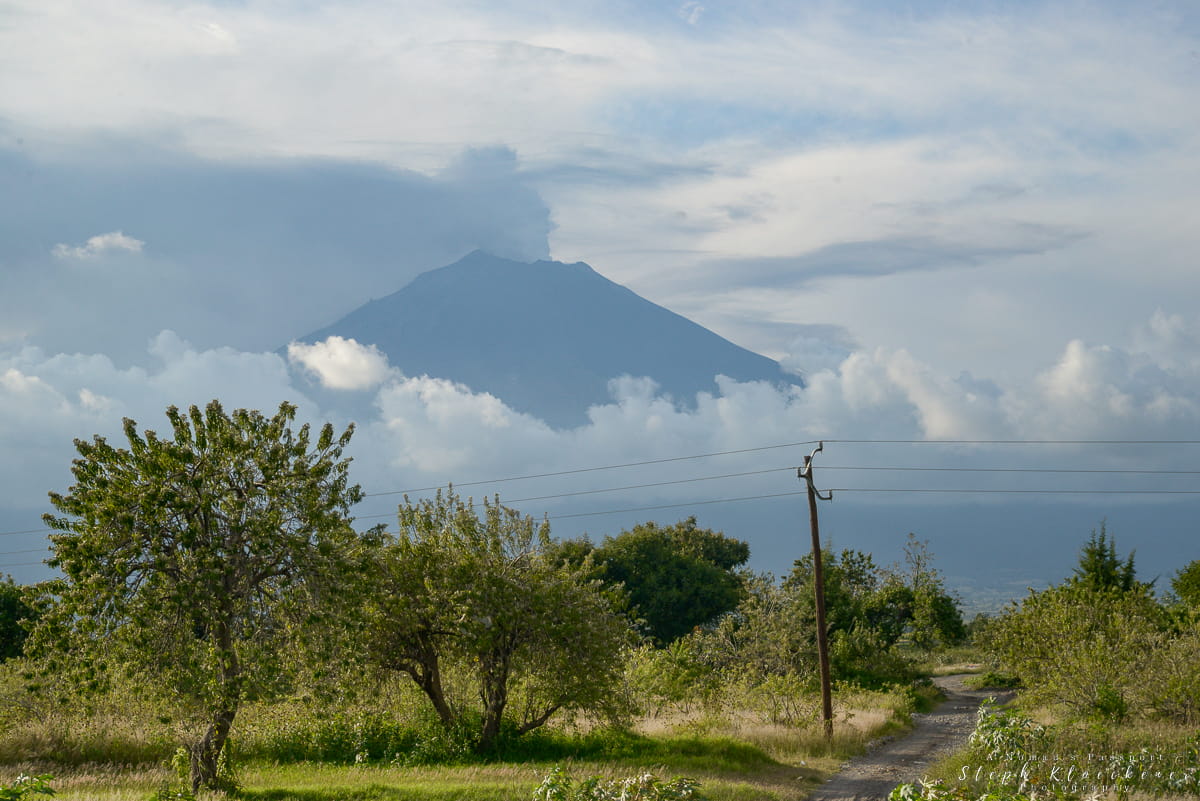
Up to this point, volcanoes have been a constant backdrop of your Puebla road trip, but on day 5 it is time to get a closer look at Popocatépetl and Iztaccíhuatl. The area around Mexico’s second and third highest peaks is a national park, and there are numerous ways to explore it.
While there are plenty of hiking tours, I opted for a tour that focused on the foothills of the volcano because I wanted to learn more about what life is like in such close proximity to the volcano. As such, the ‘Volcano Views 4×4 Tour – Forest Route’ with Tranvía Turístico La Vitorina was the best tour for me.
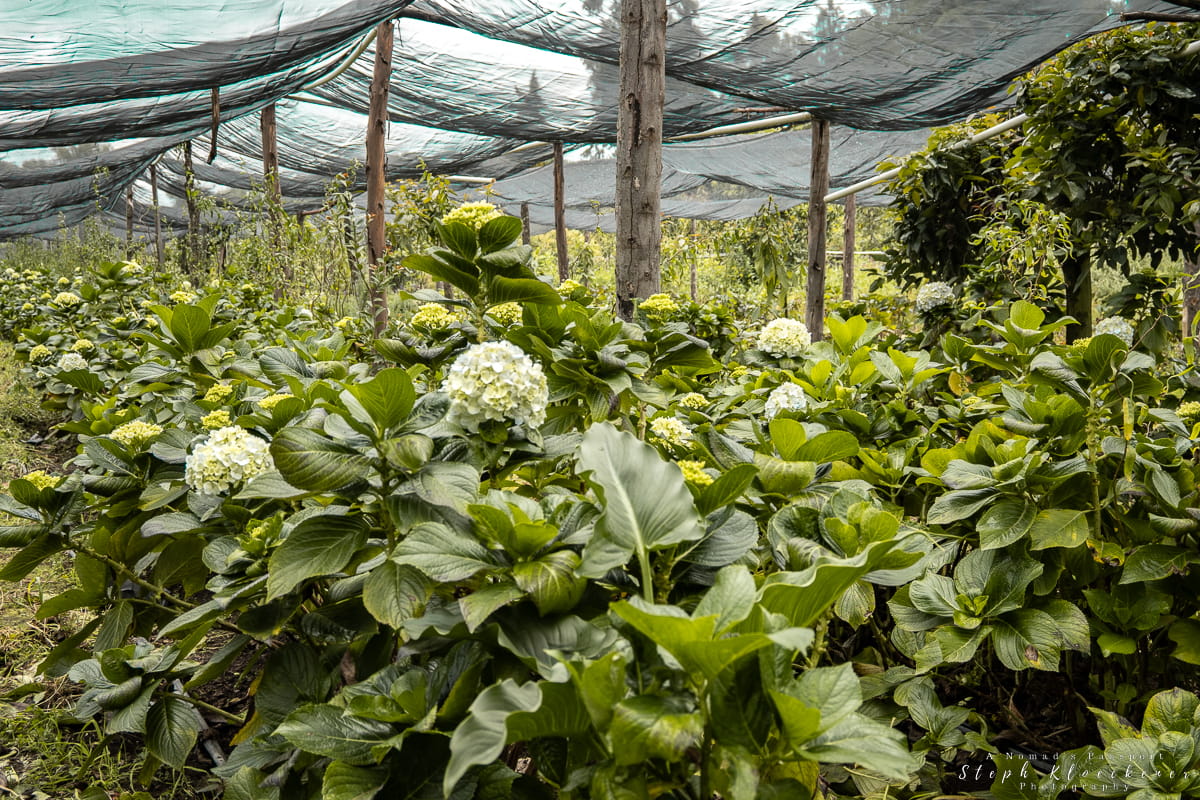
The tour starts in Tochimilco, and includes local experiences like breakfast at a small artisan bakery, lunch at an authentic outdoor eatery, and visiting a hydrangea nursery where the owner explains the benefits of the volcanic soil to you.
The 4×4 tour also includes a short, easy hike to a small waterfall, where you can see the pipes locals have installed to source fresh water straight from the volcano. And while the hike is short, it offers a perfect glimpse of the vibrant nature at the foothills of the volcano.
If you are not interested in hiking or volcano excursions, you could alternatively spend the day in Puebla to do a street art tour in the Xanenetla neighborhood before exploring the Historic Forts Zone, where the Battle of Puebla took place in 1862.
Day 6 – 9: Zacatlán
Located in the Sierra Norte de Puebla, Zacatlán is a pueblo mágico that is often shrouded in fog. But once it lifts and the sun illuminates the mountainous area, you will find yourself marveling at the ravine views and seemingly endless lush forest. As such, it is a destination that completely differs from Puebla de Zaragoza and that showcases just how diverse the state is.
And while it certainly is a destination for travelers looking to immerse themselves in nature, this charming town also offers a wealth of culture and traditions. In particular, the facades and walls covered in mosaic murals depicting the local history, traditions, and way of life stand out. These murals make Zacatlán one of the most distinctive destinations in Mexico and once you have been there, you will find yourself wondering how this pueblo mágico remains so overlooked by international travelers.
Where to stay in Zacatlán
Casa San Miguel Hotel Boutique y Spa is a five-star star hotel right in the center of Zacatlán, and is the best place to stay if you are looking for an accommodation that combines luxury and authentic charm. Unlike many other hotels in town, Casa San Miguel has heated rooms, so you will be comfortable regardless of the weather, and if you want to treat yourself, I highly recommend booking a massage or temazcal at the hotel spa.
Should you prefer to be surrounded by nature and want scenic river views, the igloo domes of Mandala Camp are ideal for you. Located a short drive away from the town, a stay here is a tranquil immersion in nature.
Day 6 – Zacatlán’s Creative Side
In order to make the most of your day, you will want to have an early start by making your way to Zacatlán no later than 10 AM. After all, it will take you at least 2:20 hours to drive the 142 km from Puebla de Zaragoza to Zacatlán.
Once you are there and have stored the luggage at your hotel, the first place to visit is Zacatlán’s Zócalo where you will find the Reloj Floral, which is not unlike the one in Atlixco. In fact, both were produced in the same factory, which happens to be in the pueblo mágico you are currently exploring. Around the plaza, you will find several interesting buildings including Parroquia de San Pedro and the Ex-Convento Franciscano de San Francisco de Asís.
Head to Mi Viejo Pueblito for lunch, before resuming your exploration of Zacatlán. By walking alongside the ravine bordering the town, you will get to the Aviation Monument and then to Mirador de Cristal.
While relatively small, the viewing platform invites you to take in the stunning vista of the deep ravine and as you look around, you will spot several waterfalls. That is, if the fog of the early morning has lifted.

Just across the street, the oldest mosaic murals of Zacatlán await you. What started as an art project celebrating the town’s 300th anniversary in 2014, has now spread to several areas in the center. While these original mosaics highlight attractions in and around the pueblo mágico, another art project just around the corner vividly illustrates the Nahua view of the universe and all life in it.
If you keep following the street to Parque Linda Vista, yet another section of murals lies ahead. Throughout the park and a connected alley mosaics depict traditional attire from all areas of Mexico and around the world.
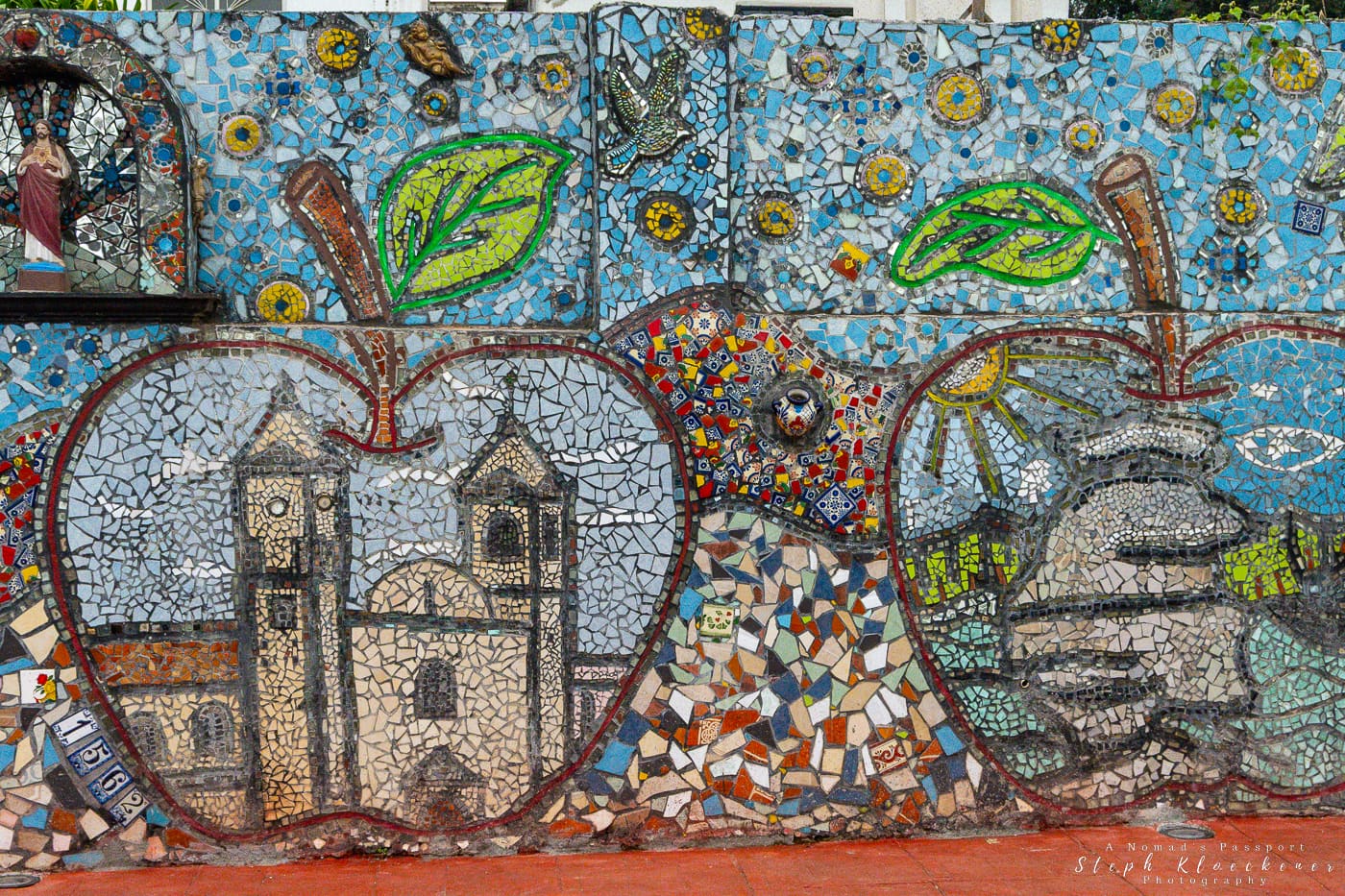
The newest section of mosaics can be found just across the street in Callejón del Hueso. Titled ‘Zacatlán de Mis Recuerdos‘, this ongoing art project consists of recreated old photos of the town. Chances are that you will spot at least one artist working on one of the mosaic murals.
There are several small stores along this mosaic route, so make a brief stop to sample some of Zacatlán’s famous apple cider.
Your exploration of the village’s creative and inventive side continues at the Watchmaking Museum “Alberto Olvera Hernández”. Said museum is part of the first Monumental Clock Factory in Latin America and is where the flower clock of the Zócalo was built. The museum tours consist of a short walk through the factory, before you can walk through an exhibition about the history of timekeeping at your own pace.
End your day with a delicious meal at Casa Fernández 1876. Aside from a great atmosphere, this restaurant offers a wide range of traditional Pueblan dishes including ‘lasagna de mole’ , a dish that I did not find elsewhere.
Day 7 – Zacatlán’s Natural Beauty
After exploring Zacatlán itself during your first day in town, it is now time to explore the nature of the surrounding area. Your first activity should be an adventure in or over Barranca de los Jilgueros. Hereby, the two most popular activities are hiking and the fastest and highest zipline in Mexico.
During my own stay in Zacatlán, I did the zipline on a cloudy and rainy day and still had a blast. Said zipline is 1.4 km (0.87 miles) long and has you racing across the ravine at more than 100 km/h (62 mph). As such, it is the ideal start to the day for thrill seekers.
Alternatively, you could book a guided hike through the ravine with Zipline Zacatlán. Thanks to a river crossing, it is still an adventure and allows you to explore the misty forests up close.
Eat lunch in town before heading out of Zacatlán and towards the nearby Cascada Las Brizas Ecotourism Park. Located right at the second highest multi-drop waterfall in the state, this adventure park offers a glass viewing platform, a hiking trail to another lower waterfall viewpoint, and a range of other activities. And if you opted for a hike in the morning, you can still get some thrill thanks to three shorter connected ziplines.
You can easily spend the entire afternoon at the park and then return to Zacatlán for a nice dinner.

Day 8 – Chignahuapan Day Trip
Eat a hearty breakfast before embarking on a short drive to the nearby pueblo mágico of Chignahuapan. Despite being only 15 km away from Zacatlán, the town has a completely different atmosphere and instead of misty mountains, you will often find a clear blue sky reflected in the Chignahuapan Lagoon.

The lagoon is fed by nine springs and is the origin of the waterfalls you visited the previous day. There are no boat rides on it, so you will want to visit the park around Chignahuapan’s Reloj Monumental to take in the view of the serene lagoon.
Afterward, walk down the street to El Paseo de la Catrina, a 200 m long street where all walls are covered in colorful murals about life and death.
After marveling at the murals, catch a colectivo to the main terminal, so you can head to Mercado Municipal Guadalupe. In the back section of the market you will find several vendors selling food, and I highly recommend the tlacoyos triangulares with peas.
Next, head towards the Zócalo where you will find the town’s stilted kiosk and the Palacio Municipal. Be sure to enter the building, as the murals in its interior showcase the municipality’s role in the universe and its role in the nine steps to reach Mictlán, the place of the dead in Mexica mythology.
Afterward, stroll through the streets of the town center to browse the stores selling all kinds of Christmas decorations. Beyond the lagoon, Chignahuapan is known as Mexico’s Christmas bauble town as there are over 200 factories where the glass baubles are handmade.
At Fábrica de Esferas Las Almas you can see how the glass blowers form the baubles and will be amazed by the different shapes the craftsmen can create.

Then, make a quick stop at the Basilica of the Immaculate Conception, before walking to Casa del Axolote to learn more about the axolotl that used to live in the lagoon. Depending on the time of day, you can then head east of the town, to experience the natural thermal springs at Aguas Termales de Chignahuapan Spa and Resort. Soak in the hot pools before driving back to Zacatlán for dinner.
Day 9 – Tranquility & Reflection
After exploring the state for more than a week, you might be feeling a bit tired, so start the day with a revitalizing temazcal at Casa San Miguel. The chocolate ritual temazcal combines relaxation with reflection, and if you book it for 9 AM, you can still spend a few hours in town before driving towards your next destination.
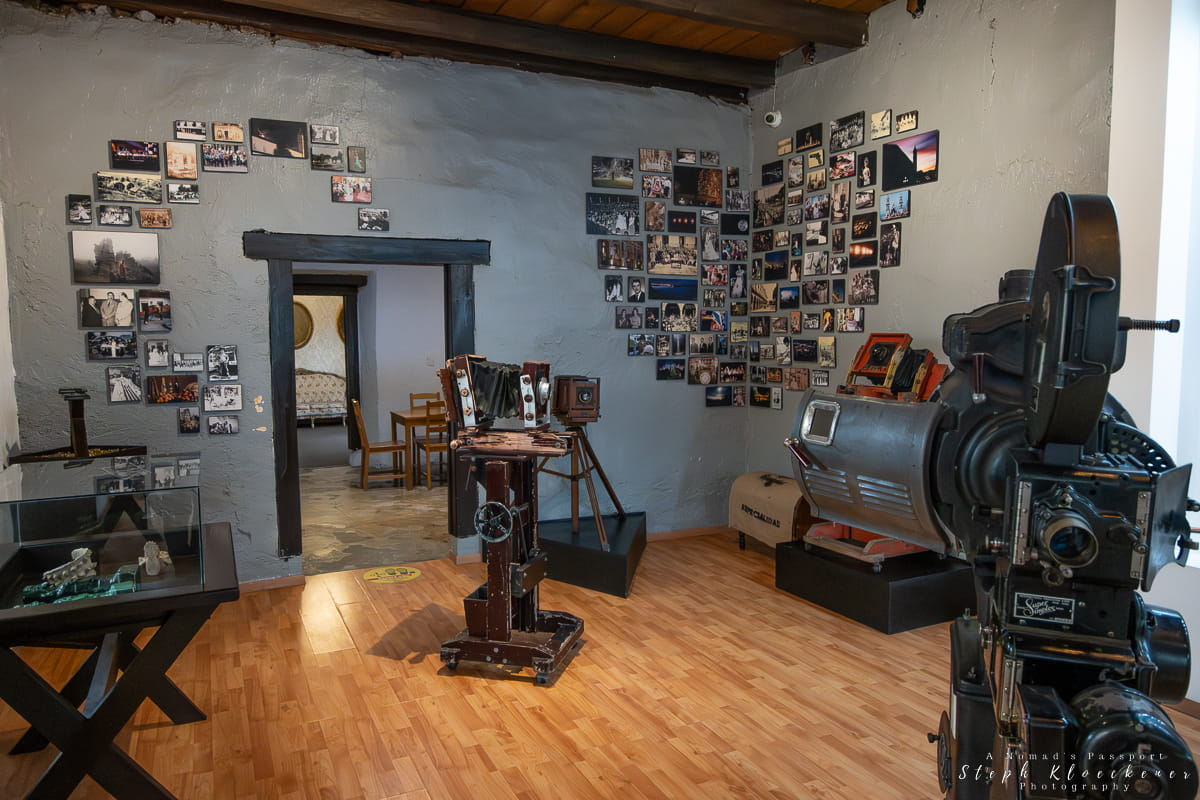
Check out of your hotel and then head to MUZA (Museo de Zacatlán) as a final stop. The small museum inside a more than 100 years old house and features several exhibitions.
Having spent a few days in Zacatlán, you will truly appreciate the photography section that shows you what the town looked like in the past. While things have certainly changed, you will see just how true to its roots this pueblo mágico has stayed.
Afterward, you can eat lunch at the small cafe in the courtyard of the museum or head to El Andador close to the Zócalo. Buy some apple cider as a souvenir if you have not already done so, and then start driving to Tehuacán.
If you opt for the 224 km long direct route that avoids Puebla de Zaragoza, it will take you at least 3:15 hours to get there. Upon arrival, check into your hotel, and then eat dinner at the à la carte restaurant of the Gran Hotel México.
Where to stay in Tehuacán
The Gran Hotel Mexico by Solaris is a beautiful five-star hotel with a swimming pool and a larger garden in the courtyard. The hotel’s luxurious old-time charm greets you the second you step into the lobby, and is reflected in the interior design of the entire property. There is on-site parking, so you do not have to worry about a thing.
Day 10 – 11: Tehuacán
After spending some time in the mountains, it is time to return to city life in a completely different corner of the state. Located in the southeast part of Puebla, Tehuacán is the second largest city in the state and serves as the gateway to Tehuacán-Cuicatlán Biosphere Reserve.
However, you certainly should not skip the city itself, as it offers a range of interesting sights including the ruins of the original Indigenous settlement and a water bottling museum where you will learn all about the giant aquifer deep below the surface.
Thanks to these experiences, spending the final days of your Puebla road trip in Tehuacán perfectly rounds out your exploration of the state, and helps you understand Puebla’s diversity.
Day 10 – Tehuacán
Start your first day in Tehuacán by exploring the historic center. While certainly less lively in the morning, Parque Juaréz is the best starting point. As you walk around the rather green Zócalo, you will find the kiosk, statues, and the colorful ‘Tehuacán’ letters that showcase different aspects of the municipality.
On one side of the park you will find the Palacio Municipal with its mural-covered arched corridor and Talavera tile facade. These murals alongside those covering the interior walls on both levels of the building were painted by the Carpinteyro brothers in 1984. Titled ‘Tehuacán y sus cinco regiones’, they are a beautiful illustration of the region’s identity, so be sure to enter the building to see the full scope of the murals.
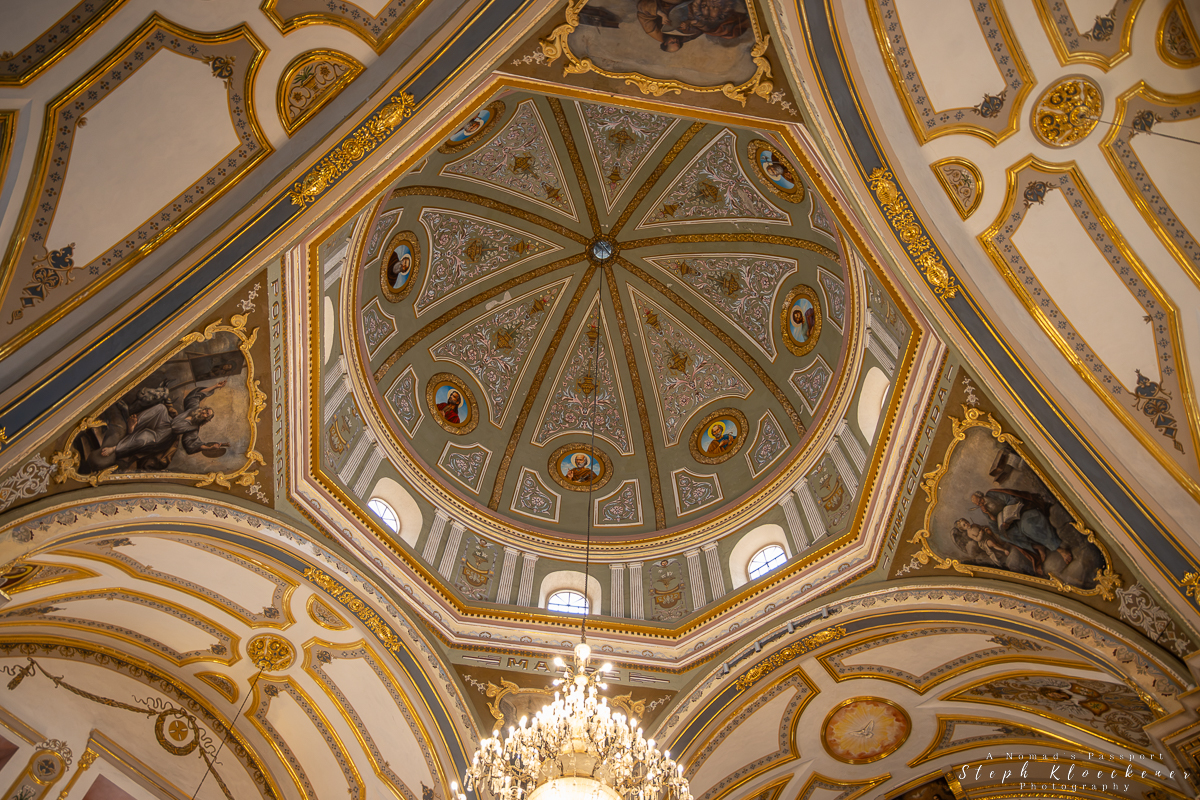
Afterward, walk to the nearby Catedral de la Inmaculada Concepción de Tehuacán. Built between 1724 and 1728, the cathedral merges Neoclassical and Baroque styles, and features a gold-leaf decorated ceiling and vivid windows.
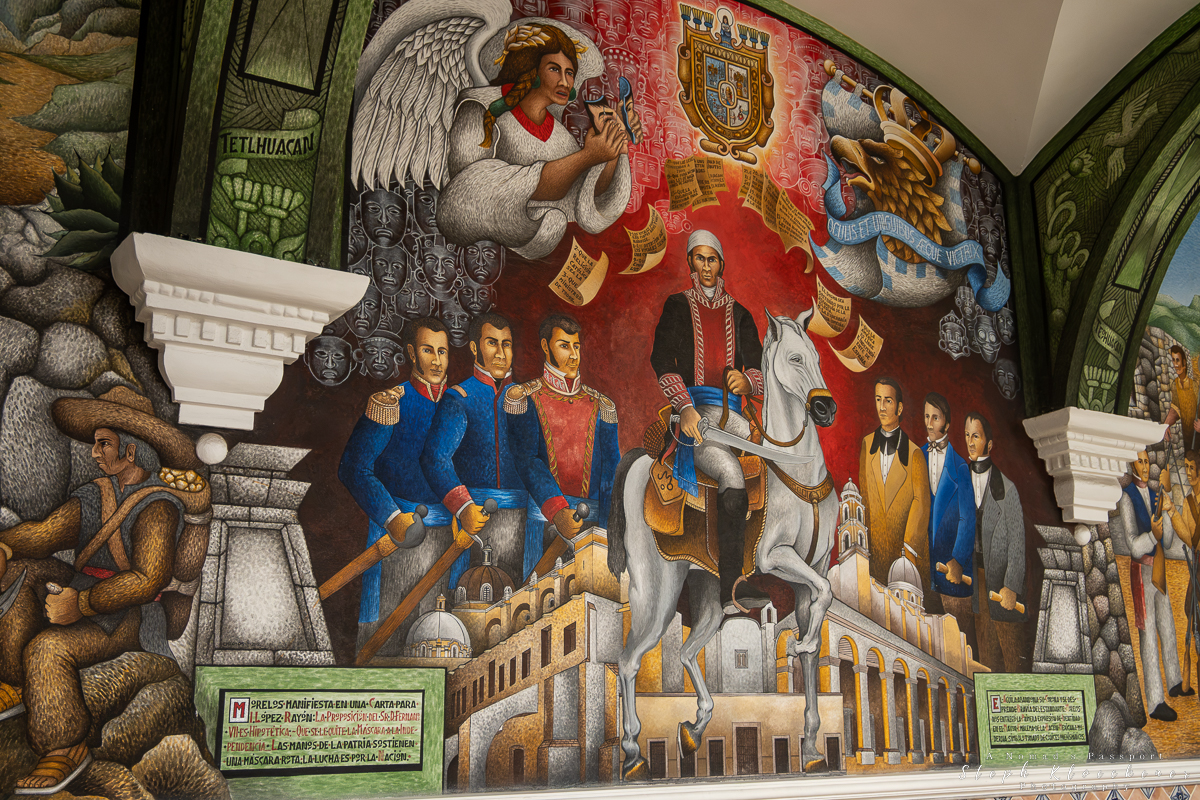


By this point of the Puebla road trip, you likely have already drunk a bottle of Peñafiel water, and funnily enough, touring the Manantiales Peñafiel Museo Hidromineral of the bottling factory is one of the best places to learn about the local history and geography. The free tours start at 11 AM and have to be booked in advance. Highlights of the tour include a mural by Desiderio Hernandez Xochilotzin depicting important events in the history of Tehuacán, and the spring that was originally discovered by Indigenous people in 1445. And of course, you also get to learn about the vast range of drinks bottled at the factory.
For lunch, you should eat the region’s signature dish ‘mole de caderas’, a unique mole prepared with goat meat and local spices.
In the afternoon, head to Tehuacan el Viejo archeological site, which was the most important site in terms of religion and politics in the region during the Postclassic period. Many detailed monumental stone and clay sculptures were found there, and some of them can be seen in the on-site museum.
The excavation works are ongoing, and so far only around 13% of the city that once spanned 311 acres has been uncovered. Highlights include the Plaza and the Temple of the New Fire with its 13 columns of the Ladies of the Night and the 9 columns of the Lords of the Day. It is dedicated to the renewal of time which took place every 52 years. During the New Fire Ceremony taking place every renewal of time, the first new fire in the city was lit here.
The Temple to Ehecatl-Quetzalcoatl and the Templo Mayor of the Central Group are further notable structures.
Day 11 – Tehuacán-Cuicatlán Biosphere Reserve
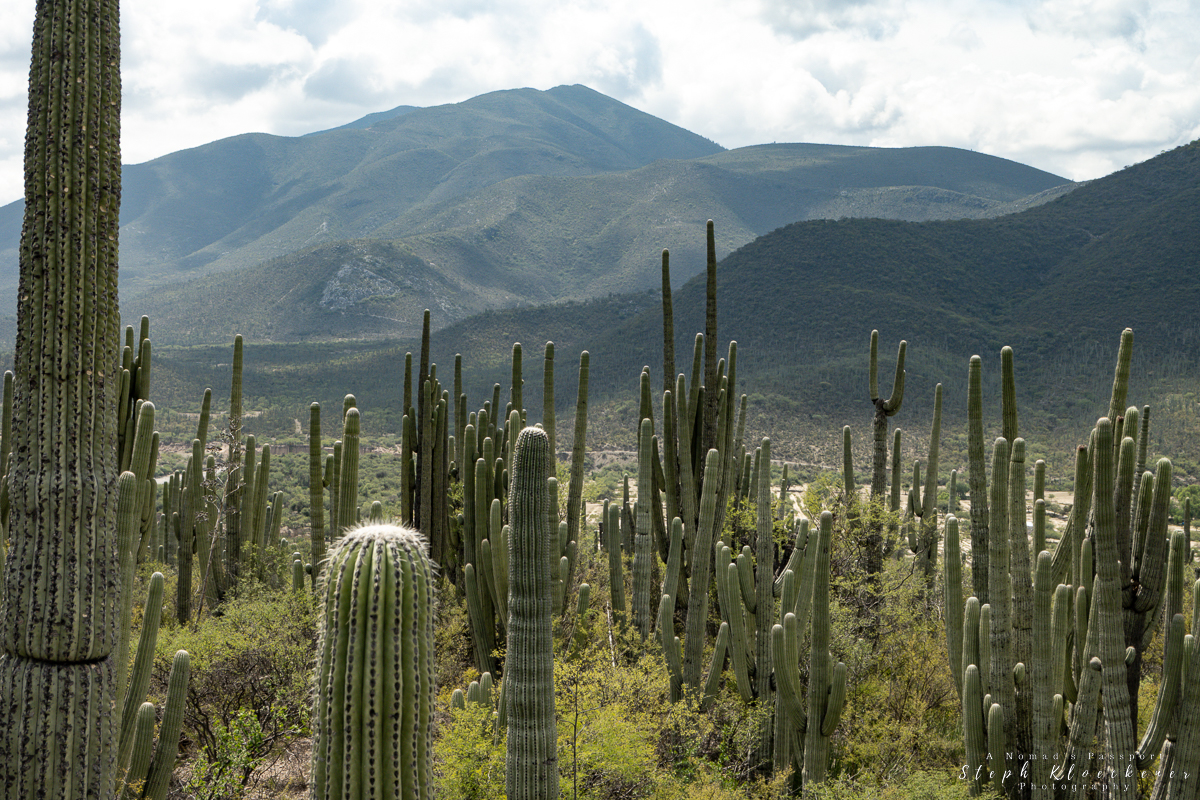
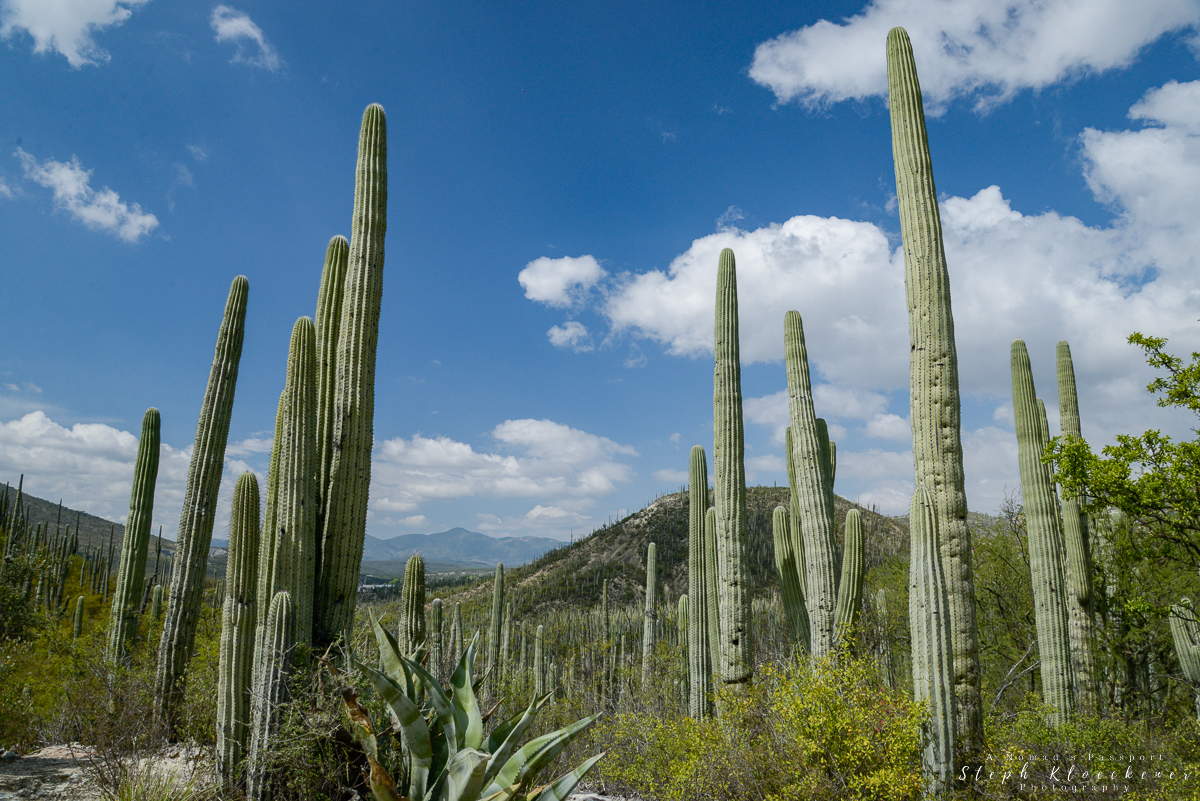
The last day of your Puebla road trip is a day trip to an area of the state that is unlike anything you have seen in the past 10 days. Tehuacán-Cuicatlán Biosphere Reserve has the densest forest of columnar cacti in the world, and was designated as a UNESCO World Heritage Site in 2018. As it is a semiarid area, the landscape differs vastly from the fertile volcanic area around Puebla de Zaragoza and the misty mountain ranges of Zacatlán.
Of the 2700 to 3000 plant species found in the area, 22% are endemic, and the best place to learn about them is Jardín Botánico Helia Bravo Hollis near Zapotitlán Salinas.
Temperatures tend to rise throughout the day, so you will want to drive there first thing in the morning. This way, you can spend a few hours walking around to look at the different plants and observing birds from the elevated viewing platform.
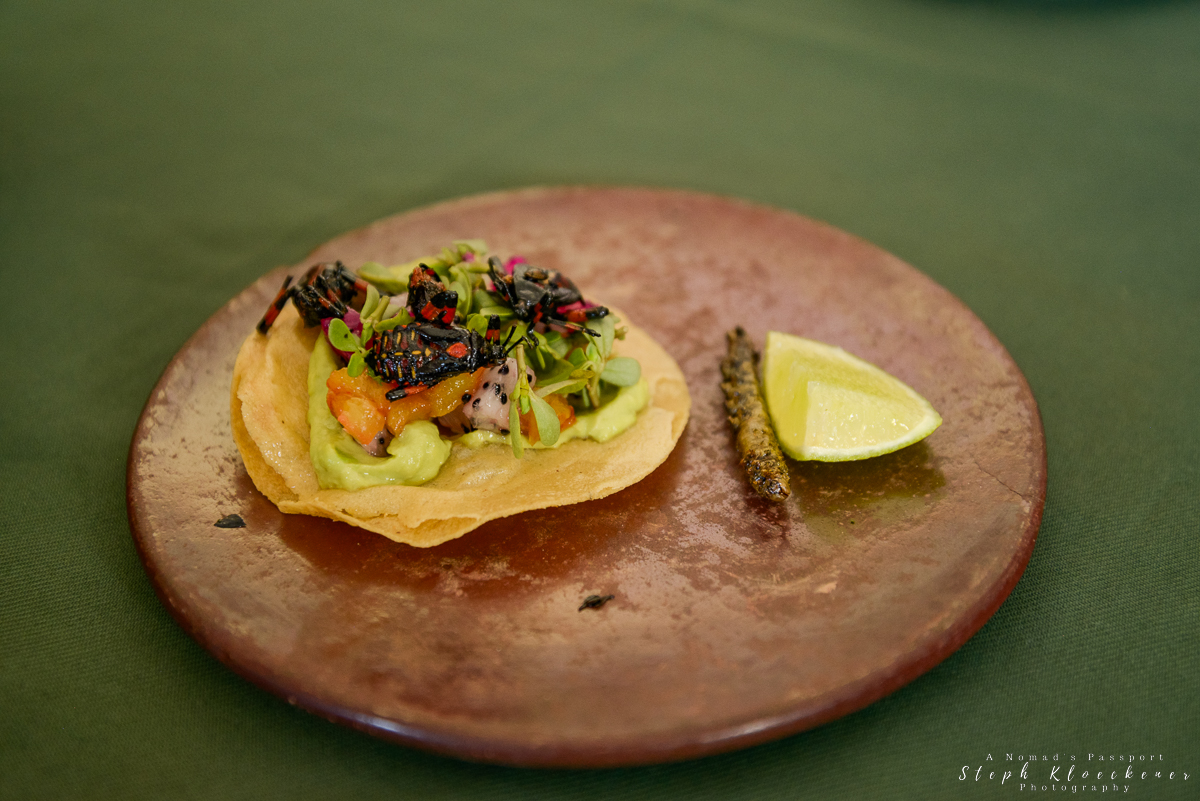
Afterward, drive to the town of Zapotitlán Salinas for lunch at Ambar Cocina Regional. Alongside regular dishes, the menu includes local specialties like tacos with bugs found in the cacti.
Thanks to this, the restaurant is the place to eat for everyone looking for the full cultural experience. If insects are too exotic for you, you can order a glass of blue myrtle-cactus fruit juice (Garambullo).
Spend some time exploring the town itself, and then drive to the historic Salinas Las Grandes. The salt harvesting tradition of the region dates back to pre-Hispanic times and to this day, 100 salt farmers tend to the salt pans. Beyond the ancestral tradition, the salt is a remnant of the time when the valley used to be a sea, and every rare drop of rain refills the springs that carry the ‘white gold’ to the surface.
Onward Journey
At the end of your second day in Tehuacán, it is time to return to Puebla de Zaragoza or Mexico City so you can return your rental car. Depending on when you make it back to Tehuacán, it might be worth booking an additional night, so you can have a relaxed drive back in the morning instead of having to drive in the dark. The drive back to Puebla should take around 2 hours, while CDMX is about 3:30 to 4 hours away.
If you have never been there and have more time, you should consider spending a few days in CDMX so you can explore some highlights of the city’s history, culture, and food scene.
Alternatively, you could extend your road trip by heading to Oaxaca de Juarez. Located only 213 km away from Tehuacán, the drive takes around 3 hours. There are plenty of things to do in Oaxaca, and as you have a rental car, you can easily do day trips to nearby destinations.
Some of the best day trips from Oaxaca are the archeological site of Mitla, the petrified waterfall of Hierve el Agua, and the stoutest tree in the world in Santa Maria del Tule. After spending several days in the city, you can then return the rental car and fly from Oaxaca International Airport (OAX).
If you are like me and tend to plan very long Mexico trips, I recommend further extending your vacation by heading to Puerto Escondido on the Pacific coast, or by venturing off the beaten path with a Oaxaca road trip to Capulalpam de Mendez and Mil Islas. From Mil Islas, you could then loop back to Puebla via Veracruz, or fly back home from Veracruz International Airport (VER).
Getting Around in Puebla
By Car
If you do not mind driving in Mexico, then renting a car is by far the best way to explore the state of Puebla. As previously stated, the two ideal places to pick up your rental are Mexico City and Puebla de Zaragoza, so you will find a wide range of international car rental companies as well as some smaller companies.
Compare the rates and ensure that the mandatory personal liability insurance is included in the rental agreement. It is also advisable to get insurance that covers damage to the car, so be sure to add it to your rental booking if it is not offered by one of your credit cards.
You will find plenty of parking spots at all stops of this road trip, but as you will encounter paid parking lots in places like Cholula and Atlixco, you should have some cash on you. I recommend booking hotels with private parking to avoid additional parking costs.
Can you do this Puebla Road Trip without a car?
Should you prefer not to drive, you can easily get to most of the stops of this Puebla road trip by bus or colectivo. There are frequent departures between many of the locations mentioned, with the only two exceptions being Cantona and Jardín Botánico Helia Bravo Hollis. Thankfully, there are guided tours from Puebla and Tehuacán, respectively, so it is only a minor inconvenience.
For Cantona, I recommend the Cantona tour by Unlimited Experiences. While I visited the archeological site with a friend, I can highly recommend the company based on another tour I did with them. The tour also includes a stop at the nearby Alchichica Lagoon.
When heading to Jardín Botánico Helia Bravo Hollis you could take a bus to Zapotitlán Salinas and then take a taxi to the botanical garden, but ultimately, I believe that a guided tour is the better option. As already mentioned, I visited the biosphere reserve with Vagabundos Tours and had a great time, so I can only encourage you to book the excursion with them.
From a logistical point of view, you will also want to keep in mind that the travel times will be longer. For example, you will first have to take a bus from Zacatlán back to Puebla City before you can start heading to Tehuacán, as there is no direct connection between the destinations.
Puebla Travel Tips
While traveling in Puebla is relatively straightforward and safe, there are several things you should keep in mind to ensure you have a seamless road trip that combines cities and remote pueblo mágicos that tend to be overlooked by international travelers. Based on my own experience, the following five travel tips are the most important ones for your Puebla road trip:
Download a translation app if you do not speak Spanish: A road trip through Puebla is a journey off the common tourist trail, so you will encounter quite a few people who do not speak English even if they work in tourism. If you cannot speak Spanish or are not confident that your Spanish skills will suffice, I highly recommend downloading a translation app ahead of your Puebla road trip.

Get a Telcel SIM or eSIM: While you will have a good reception with most providers in places like Puebla de Zaragoza and Tehuacán, the phone reception is really limited in the Sierra Norte de Puebla where Zacatlán and Chignahuapan are located.
Always have cash on you: While hotels accept card payments, there are plenty of shops and restaurants in the state that are cash only. In my experience, the ATMs of HSBC have the smallest withdrawal fee and accept most international cards.
Bring rain gear during the rainy season: Some parts of the state see heavy downpours during the rain season from June to October, so be sure to pack a rain coat and waterproof shoes. It is still worth it to explore Puebla during this time, but you will have a significantly better experience if you prepare for the rain. This is especially the case for the Zacatlán section of the trip.
Keep an eye on the weather report during your trip: During my own trip, the state experienced some of the heaviest rainfalls in recent history, and parts of the state were affected by severe floods and landslides. As such, I recommend double-checking the road conditions and monitoring the weather if you are traveling during the rainy season.
Is it worth it to road trip through Puebla?
The state of Puebla is a vastly underrated area of Mexico that will amaze you with its diversity and abundance of unique experiences. And while you can explore it by bus and tour, a Puebla road trip is undeniably the best way to truly experience the state as it enables you to venture off the tourist trail.
As you explore Puebla, you will see breathtaking landscapes, experience its thriving culture, enjoy delicious food, dive into history at archeological sites, chase thrills while zip lining over canyons, and much more. With every place you visit, you will discover a new piece of the vibrant puzzle that is Puebla, and will gain a deeper appreciation for all that makes it a unique destination. It is a place where past and present come together to form a destination that offers something for every type of traveler.
I, for one, was particularly captivated by the contrasting landscapes from misty mountains to arid biosphere reserves, the rich flavors of Mole Poblano, and the many ways the local culture is celebrated through festivals and art. And while I have already seen large parts of the state, I certainly would like to explore even more of what it has to offer.
Having previously explored the neighboring state of Oaxaca, I expected Puebla to be similar, but while there certainly are parallels, it did not take long to notice Puebla’s distinctive character that makes it unlike other destinations in Mexico. As such, a road trip through Puebla is worth it even if you have already explored other parts of the region.
More about Mexico
If you are planning a Puebla road trip, then you might also be interested in these articles:
Mexico’s Pueblos Mágicos
Becan Ruins, Campeche
Is there anything else you want to know about this road trip?
Let me know in the comments!
Planning a road trip through the state of Puebla?
Save This Article for later!