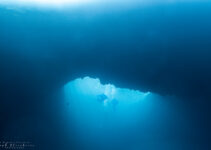
Both snorkeling and scuba diving allow you to explore the ocean, lakes, and other bodies of water, but they are very different activities. While snorkeling allows you to observe from the surface, diving allows you to get close to the reef and fish for as long as there is a safe amount of air in your tank. However, there are more differences when it comes to snorkeling vs scuba diving than just the experience.
After all, you also need different gear and there are different costs associated with both water activities. In addition to that, there are also training requirements for diving, while snorkeling requires close to no training at all.
And yet both are amazing in their own right. Here is all you need to know about the differences between diving and snorkeling in order to decide which one is the perfect water activity for you. And who knows – maybe I’ll just manage to convince you to do both of them during your next vacation or weekend getaway.

Funnily enough, I did both things in an unusual order. Given that I spent most of my holidays as a kid in the mountains or in cities, I was never close to the ocean for more than a few hours every few years. And then I moved to Australia where I learned to dive and then also started snorkeling.
You might be wondering why I am mentioning this, but the answer is simple. I want to show you that it is worth it to give both activities a shot even if you have never even swam in the ocean. Neither snorkeling nor scuba diving is exclusive to those that have years of experience swimming in the ocean, so do not hesitate to put on the gear and explore the ocean. There are many amazing things to see below the surface, and I do not want you to miss out on them.
Snorkeling vs. Scuba Diving Difference
In total, these two great activities for ocean lovers vary in terms of five things: the first one is the experience of doing it, then the gear required to do them, the costs, the requirements, and the safety of diving and snorkeling. Below, you will find a more detailed comparison of these five main differences between snorkeling vs scuba diving.
1. The Experience: Scuba Diving vs Snorkeling
Snorkeling
While you can snorkel for hours, you will be spending most of your time at the surface which means you only see the reef from above.
If you have some experience as a snorkeler and have mastered the duck dive you should be able to dive down 3 to 4 meters while holding your breath. More experienced snorkelers can dive down slightly deeper than that. However, your time underwater will still be limited to however long you can hold your breath.
It is a great way to be in the ocean and to see fish, and of course, there are also great snorkeling spots in some cenotes, lakes, and other bodies of water, but ultimately, you can only observe some of what is going on.

If you are a photographer, you have to be quick when taking photos, as you will not be able to wait, and even without a camera, you will not be able to slowly follow a turtle when it dives back down after taking a breath.
Ultimately, snorkeling is all about observing what is going on in shallow areas and allows people of all ages to get a glimpse into the underwater world.
Scuba Diving
Scuba diving can feel like flying and allows you to gently glide over reefs or past intricate speleological formations. Thanks to the tank on your back, you can easily stay underwater for an hour to observe something without having to move. Just do not forget to keep an eye on how much air you have left and your bottom time, while you marvel at the beauty all around you.
As a diver, you have more than enough to look into crevices where fish could be hiding or to look around until you spot nudibranchs. And of course, there are also swim troughs that can be explored.

Thanks to being able to stay underwater for much longer than you could while snorkeling, you can also do things like exploring wrecks or diving in the cavern area of cenotes.
With an OWD certification, you are allowed to dive down to 18 meters, while an Advanced Open Water certification allows you to dive down to 30 meters. If you want to dive down to 40 meters, you need a depth certification.
Greater depths fall into the category of technical diving, as these dives require decompression stops and more technical knowledge than regular recreational scuba dives.
This post may contain affiliate links(*), which means I may receive a commission, at no extra cost to you if you make a purchase through a link. Please see the full disclosure for further information.
2. Snorkeling vs. Diving Gear
Snorkeling
When it comes to gear, the snorkeling vs scuba diving differences are obvious and impact how spontaneous one can be. Snorkelers only need a mask, a snorkel, and fins. Hereby, a dry snorkel is best, as it keeps the water out of the snorkel even when there are waves.
Depending on the water temperature, it might also be good to have a wetsuit. If the water is warm, it is still a good idea to wear a stingersuit or UV suit to protect you from the sun and from things like jellyfish stings. A life jacket is another thing to consider if you are not a strong swimmer. Many places have rental life jackets, so you do not have to worry about bringing your own.
Scuba Diving
In order to scuba dive, divers need more gear than snorkelers. While divers also need a mask, potentially a snorkel, fins, and a wetsuit or stingersuit, they also need a BCD, a regulator set, and a dive computer. Divers also need a tank and weights, but thankfully, they are usually included in the costs of the dives
While most dive centers have rental gear, it is a good idea to buy your own gear if you dive frequently. If you only dive occasionally and travel a lot without checking in a bag, you should buy a mask, snorkel, fins, and a dive computer.

3. Costs of Snorkeling and Scuba Diving
Snorkeling
Oftentimes snorkeling is a free activity as you literally only have to go to the beach to go snorkeling. If you book a snorkeling tour with a provider that also offers dives, the snorkeling tour will always be less expensive.
Scuba Diving

Scuba diving prices vary a lot around the world and also depend on where you want to dive. But even in the cheapest scenario where you have your own gear and go shore diving, you have to pay for someone to fill up your tank.
When it comes to diving with dive centers, the prices are usually between 40 USD to 200 USD for two dives in one day.
In addition to the costs per dive, you will also have to invest more when buying your own scuba diving equipment, which can easily cost around 2000 USD.
If you do not own a full set of scuba gear, you will have to rent the remaining items. Hereby, gear rental is sometimes included and other times an additional expense.
4. Requirements
Snorkeling
In order to go snorkeling, it is good if you are able to swim and you should know how to move your fins to get ahead. There are no age restrictions and it is not necessary to do a medical check-up before you snorkel for the first time.
Scuba Diving
To be allowed to scuba dive, you first have to complete an Open Water Diver course followed by additional courses which allow you to dive deeper or in unusual environments. In addition to that, you might have to get medical clearance if you have health issues. Take a look at the PADI medical questionnaire or the SSI equivalent to check if medical clearance is required.
There is a minimum age requirement for scuba diving that depends on the destination. In most cases, certified children have a junior license that only allows them to dive down to a shallower depth than the normal OWD certification.
5. Snorkeling vs. Scuba Diving: Safety
Snorkeling
As long as you know how to avoid rip currents while snorkeling near the beach or never lose sight of the boat when diving in open water, snorkeling is a safe activity that is suitable for all ages.
Consider wearing a lifejacket if you are not a good swimmer even if it is not mandatory where you want to snorkel.
You should also never venture too far from the place you started and plan to leave the water.
It is also important to check the weather ahead of your snorkeling trip and to know when the tides change. Know how to read the currents so you can avoid getting caught in a rip current.

If you are snorkeling in areas with boat or jetski traffic, you might also want to bring an inflatable buoy so you are more recognizable. After all, it can be hard to spot snorkelers – especially if there are waves.
Scuba Diving
If you are fully certified, dive within the limits of your training and ensure that the gear you dive with is well maintained, scuba diving is a relatively safe adventure sport. While accidents can happen, they tend to be rare.

The crucial thing is to follow the rules to avoid decompression sickness, oxygen toxicity, and similar potentially deadly ailments.
In addition to that, you should also stay close to your dive buddy so you can work together if there are any equipment malfunctions or if one of you gets narced from nitrogen narcosis while doing deeper dives.
If you are diving in open water far offshore, it might be worth it to invest in a GPS tracker with an underwater housing like the Garmin InReach Mini.
6. Sustainability
When it comes to the topic of sustainability, there is no snorkeling vs scuba diving, as both activities are equally sustainable. That is if the snorkeler and divers are mindful of the fact that they are only visitors to a different ecosystem, and that it is up to us to protect it while we explore it.
Hereby, it does not take much to be a conscious diver or snorkeler: all you have to do is use reef-safe sunscreen, not feed the fish, not stand on or touch corals and not remove anything you see underwater unless it is trash. Obviously, there are even more detailed rules for some animal encounters and destinations, but by doing these few simple things, you are already doing a good job.
As a passionate snorkeler or scuba diver, you will likely become passionate about protecting the ocean and the life in it, so do not hesitate to speak up if you see wrong behavior and educate others in a kind way. Be sure not to judge while doing so, as you cannot blame people for what they do not know.
Oftentimes, a little kindness is all that is necessary to make people understand that it is not okay to remove a starfish from the ocean or similar things.
Overview: Snorkeling or Scuba Diving
This table of the differences between snorkeling and diving is ideal for you if you want a compiled overview.
| Difference | Snorkeling | Scuba Diving |
|---|---|---|
| The Experience | observe marine life mostly from the surface and very limited time underwater if you dive down | usually around 1 hour below the surface and surrounded by marine life; freedom of movement & the ability to stay in one spot in order to observe something up close |
| Gear | mask, snorkel & fins + wetsuit/stingersuit & life jacket | mask, fins, exposure gear (wetsuit, etc), regulator, BCD, weights, tank |
| Costs | often free; tours less expensive than diving tours | costly certification process; 40 to 200 USD for two dives in one day; equipment costs around 2000 USD |
| Requirements | it’s good if snorkelers can swim, but even that is not required | OWD certification process that takes at least several days followed by more in-depth education for more challenging dives |
| Safety | relatively safe as long as snorkelers watch their surroundings & wear a life jacket if they are not good swimmers | relatively safe if all rules of scuba diving are followed; accidents happen, but are rare |
Which is better snorkeling or scuba diving?
I personally do not believe that scuba diving is better than snorkeling or the other way around. After all, both are amazing ways to explore the underwater world, but from very different angles.
If you want to give scuba diving a try to see if it is something you would like to do, I definitely encourage you to do so, but at the same time being a certified diver does not mean that you should not go snorkeling.
In fact, I personally love to go snorkeling during the scuba diving surface interval – that is, if the conditions allow it.
When traveling with younger children, snorkeling is usually the better activity, but then again, many dive boats offer a snorkeling package as well, so it is possible to do both in one trip for the entire family.
It is best to give both snorkeling and scuba diving a try to see which one you prefer, but ultimately, both are amazing things to do for ocean lovers.

FAQ: Difference between snorkeling and scuba diving
What is different about snorkeling and diving?
There are five main differences between snorkeling and diving. Hereby, the most important one is the experience itself, as both offer those that explore the ocean a different window into the underwater world. While snorkelers spend most of their time at the surface, scuba divers can easily remain at depth for an hour and observe marine life. Other snorkeling vs scuba diving differences exists in the following areas: costs, gear, requirements, and to a certain degree safety.
Can non swimmers do snorkeling?
While it is better to be able to swim, even non swimmers can snorkel. Hereby, non swimmers should wear a lifejacket and fins as these items will help the snorkeler float and make it easier to move around. Non swimmers that snorkel should also be accompanied by someone that is able to swim and that has some snorkeling experience.
Can non swimmers do scuba diving?
While divers technically do not have to be able to swim, the certification requirements dictate that divers have to be able to swim 200 meters without pause and be able to tread water for 10 minutes. Therefore, scuba divers that get certified by trustworthy dive centers have to be able to swim. They do however not have to be the fastest swimmers.
Destinations with great diving & snorkeling spots
Do you want to do both while traveling to see which ones you prefer, or do you want a holiday that combines both? If so, the following destinations are great options.
Gran Canaria, Canary Island — This island is a popular European holiday destination and has plenty of great diving and snorkeling spots. El Cabrón is among the most popular snorkeling and diving sites in Gran Canaria.

Ningaloo Reef, Western Australia — The Ningaloo Reef is one of those places that has it all – colorful and flourishing coral reefs that are full of life, whale watching opportunities, and a marvelous snorkeling spot right at the beach. Visit Cape Range National Park for an epic snorkeling spot where the current carries you in a circle or join a diving or snorkeling tour from Exmouth or Coral Bay. There are even Manta Ray snorkeling tours!
Great Barrier Reef, Australia — The famous Great Barrier Reef has both great snorkeling and diving sites. Hereby, the best ones are more remote, but thankfully snorkelers can go on a GBR liveaboard without having to pay the full fee. There are also great smaller islands in the Southern Reef that have great snorkeling only meters away from the shore.
Cozumel, Mexico — This island is a real scuba diving paradise, and well worth an extended Cozumel diving holiday, but it also has many fantastic snorkeling spots. El Cielo with its starfish is among the best ones.
Isla Mujeres, Mexico — Isla Mujeres offers some great dive sites and is especially intriguing during the loggerhead turtle mating season, but funnily enough, the real highlight is limited to snorkeling. After all, it is where the boats depart so you can swim and snorkel with whale sharks near Isla Mujeres.
Are you planning a trip?
Check out these useful websites and resources I use to plan my adventures around the world.

Roundup: Scuba Diving vs Snorkeling
As you can see, the choice when it comes to snorkeling vs scuba diving completely depends on the person. Both activities are wonderful and a fantastic way to explore the ocean. While there are obvious differences, they do not imply that one of them is better than the other, and are merely distinguishing elements.
An ideal trip for ocean lovers combines both if you happen to love diving and snorkeling, but if you only like one of them, it will still be the perfect trip for you. Give both a try if you can and figure out if you love scuba diving and snorkeling. And if you are still on the fence about diving, these reasons to learn to scuba dive might help you decide.
More for ocean lovers
If you want to explore the ocean, you might also be interested in these guides:
Quotes about Diving
Liveaboard Packing List
Which one do you prefer: Snorkeling or Scuba Diving?
Let me know in the comments down below!
Like this list of differences between diving and snorkeling?
Pin it to share it!